
When Ripping a Card Pack Feels Like Pulling a Slot Lever
A $16.5M Pikachu sale and clinicians drawing gambling comparisons show how trading cards became bets, not toys.

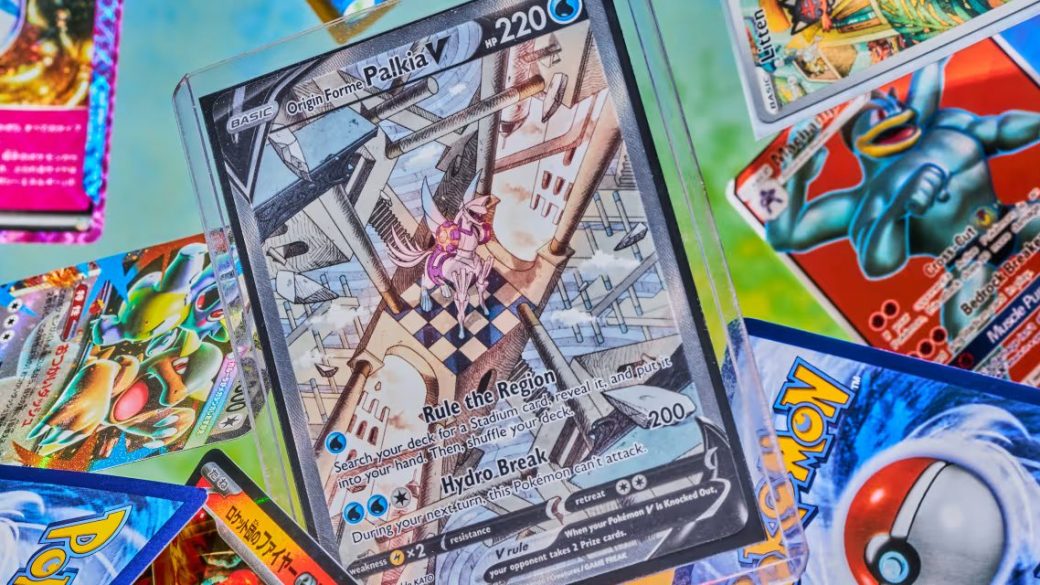
A single Pikachu card sold for $16.5 million at auction, according to Barron's, and the number captures how far trading cards have moved from the schoolyard. What began as a stick of gum tucked inside a Topps baseball pack has become a market where opening a sealed product carries the same uncertainty, and the same dopamine hit, as buying a lottery ticket.
Mental health specialists are drawing that comparison directly. Barron's reports that experts increasingly see parallels between the rush of ripping open a fresh pack and the anticipation that drives traditional gambling. The mechanic is straightforward: you pay a fixed price for a sealed pack, you do not know what is inside, and the chance of pulling something rare is what keeps buyers coming back.
From Gum Stains to Grading Slabs
The evolution is worth spelling out. In an earlier era, Topps used a free stick of gum to sell baseball cards to children. As the collectibles industry matured and card values climbed, that gum turned into a problem, leaving sugar stains on cards that were becoming genuinely valuable, per Barron's. The freebie meant to attract buyers became a liability to the product itself.
That shift, from disposable childhood item to graded asset, is the backdrop for everything happening now. Pokémon cards have reached a point where they can exceed the value of baseball and other sports cards, according to Barron's. The $16.5 million Pikachu sale is the headline example, not an outlier the market treats as impossible.
Why the Gambling Comparison Sticks
The uncertainty is the product. When the outcome of a purchase is randomized and the payoff is skewed toward rare, high-value results, the buying behavior starts to resemble wagering rather than shopping. That is the observation mental health experts are making, as reported by Barron's, and it matters because it reframes what looks like a hobby as something closer to a bet.
The distinction is not academic for buyers in Asia-Pacific, where Pokémon originated in Japan and where the collectibles and trading-card scene is deeply established. The same pack-opening mechanic that draws comparisons to gambling in the US operates in markets across the region, from Tokyo card shops to online resale platforms in Southeast Asia.
What the reporting does not resolve is where hobby ends and problem behavior begins. The comparison to lottery tickets and slot machines is a signal, not a regulatory finding. But when a childhood collectible market produces eight-figure sales and prompts clinicians to reach for the language of addiction, the framing is no longer just about nostalgia.