
Tesla’s Operating Profit Collapse Overshadows AI Optimism
Tesla's Q3 operating profit plunged 57% to $398 million, missing Wall Street expectations by $1.3 billion. The stock fell 17% on the news, though analysts remain focused on autonomous driving potential rather than current earnings.

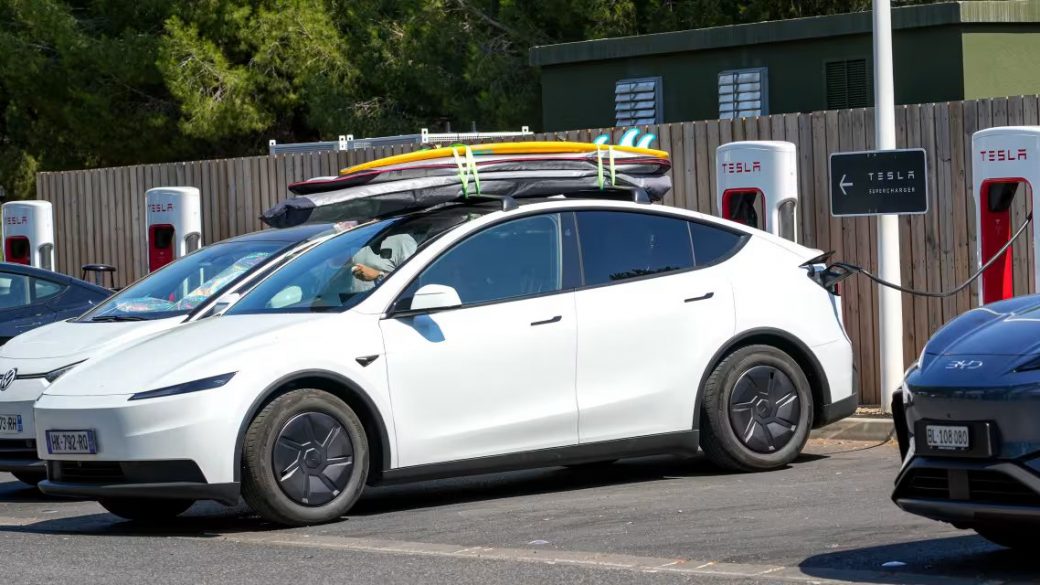
Tesla reported operating profit of $398 million for the third quarter, down 57% from $923 million in Q2 2025, according to Barron's. Wall Street analysts had expected closer to $1.7 billion, representing a 77% shortfall against consensus estimates.
The weak earnings announcement triggered an immediate market reaction, with Tesla stock falling 17% by Thursday trading. Over a 12-month period, the stock remained up 14%, but the quarterly miss signaled growing investor concern about the company's near-term profitability trajectory.
The earnings collapse reflects mounting pressure on Tesla's core automotive business. Despite the company's significant investments in artificial intelligence and autonomous driving capabilities, near-term financial performance suggests these future bets are not yet translating into operational improvements. Analysts acknowledged the weak quarter while maintaining focus on longer-term autonomous vehicle potential—a bet that appears to be carrying more weight in valuation discussions than current financial results.
The disconnect between earnings performance and market sentiment highlights a critical tension: Tesla's stock price increasingly depends on speculative gains from unproven autonomous technology rather than improvements in current-quarter profitability. The 77% miss suggests the company faces material challenges in executing its near-term roadmap, even as investors price in transformative AI-driven revenue streams.