

Apple’s Restraint on AI Spending Sets It Apart as Stock Hits New Highs
Apple is diverging from Big Tech's aggressive AI spending, instead maintaining disciplined capital allocation similar to Rockefeller's Standard Oil strategy. The stock has hit fresh record highs amid this restraint.

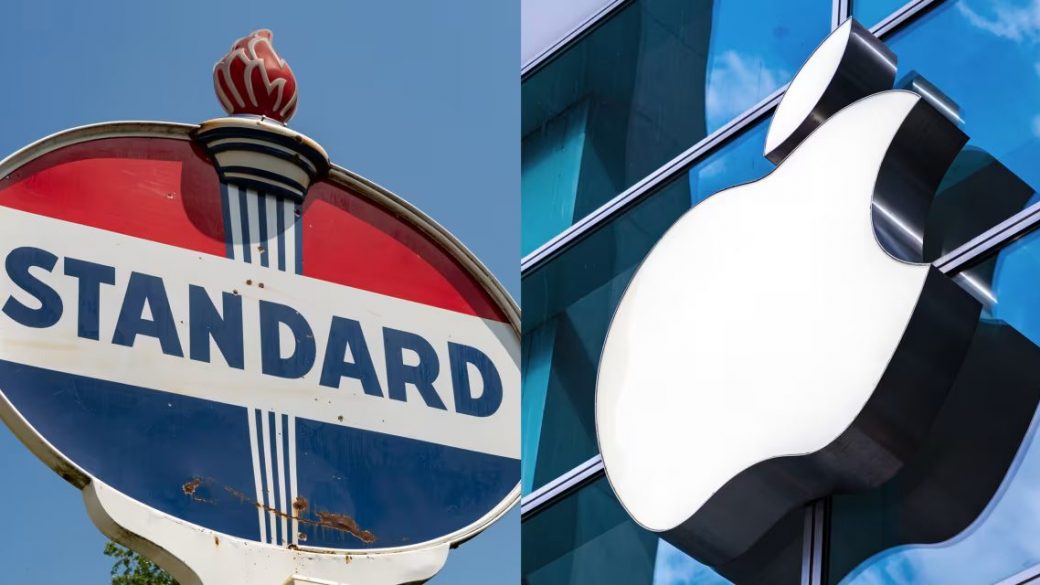
Apple is diverging from its peers' aggressive artificial intelligence spending, a stance that appears to be rewarding shareholders as the stock approaches fresh record levels.
The company's approach echoes a historical business model: John D. Rockefeller's Standard Oil strategy of maintaining pricing power through disciplined capital allocation rather than entering every emerging market opportunity. While Meta, Google, and Microsoft are pouring billions into AI infrastructure and research, Apple has chosen a narrower path—integrating AI selectively into existing products and services rather than funding massive new infrastructure buildouts.
This divergence reflects a fundamental strategic difference. The traditional Big Tech AI spending thesis assumes first-mover advantage in deploying cutting-edge models and infrastructure justifies heavy upfront costs. Apple's model instead prioritizes returns on invested capital and maintaining its historically high margins. The company has licensed some AI capabilities and developed others in-house, but has avoided the capital intensity that characterizes its competitors' AI strategies.
Stock performance has reflected investor approval. Apple stock is on track to set fresh all-time highs, even as the broader market debates the return on investment of trillion-dollar-plus AI spending cycles across the tech sector.
The Standard Oil parallel is instructive but imperfect. Rockefeller's dominance came from controlling distribution and refining capacity—creating a moat through operational control. Apple's moat rests on ecosystem lock-in, brand loyalty, and premium pricing power. In AI, Apple's strategy suggests the company believes it can capture value through integration and user experience rather than by being the largest deployer of raw compute.
What remains unclear is whether this approach will prove durable as AI capabilities become more commoditized and customers expect cutting-edge features. The tech sector's AI spending could eventually prove essential to competitive positioning, or it could represent overcapitalization on a technology cycle that matures faster than current projections suggest. Apple's stock performance so far suggests the market is betting on the latter.