
U.S. Naval Blockade of Iranian Ports Sends Oil Futures Soaring as Regional Tensions Peak
U.S. forces have redirected six commercial ships and disabled another in a naval blockade of Iranian ports. Oil futures surged as WTI rose 3% and Brent climbed above $90 a barrel following the weekend strikes.

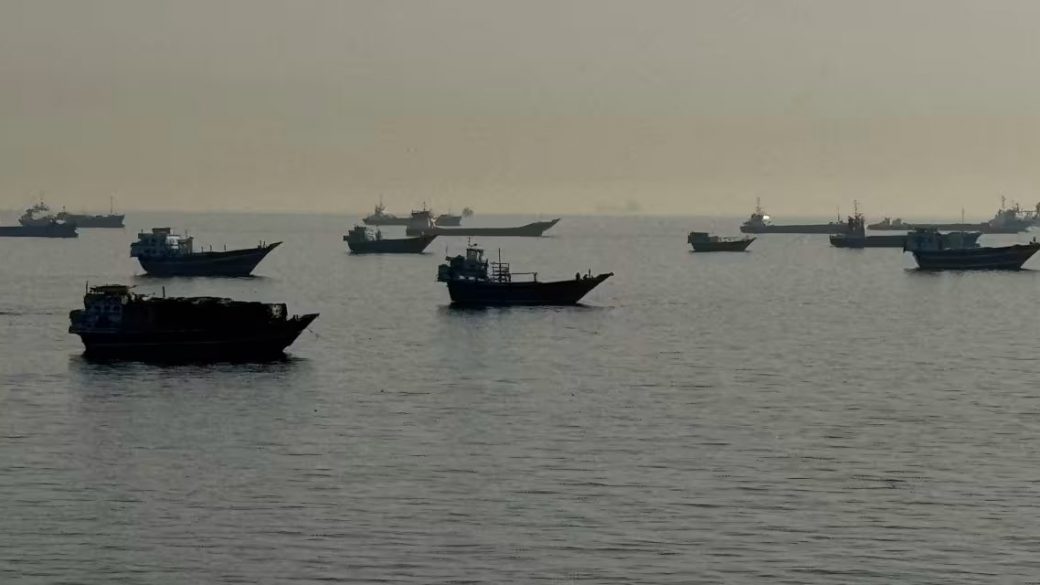
The U.S. military has redirected six commercial vessels and disabled another as it implements a naval blockade of Iranian ports in and near the Strait of Hormuz, according to U.S. Central Command. The move marks an intensification of direct military action following weekend strikes exchanged between Washington and Tehran.
Oil markets responded immediately to the escalation. WTI futures rose more than 3% to around $84 a barrel, while Brent crude climbed 3.2% to over $90 a barrel late Sunday, reflecting trader concerns about potential supply disruptions from one of the world's largest oil-producing regions.
The blockade's impact on global energy flows carries particular weight for economies dependent on Middle Eastern oil supplies. Any prolonged disruption of shipping through the Strait of Hormuz—a critical chokepoint for roughly one-fifth of globally traded petroleum—could trigger broader commodity price swings across Asian and European markets.
The escalation follows a pattern of tit-for-tat military engagements over the weekend. U.S. Central Command's decision to redirect commercial shipping and disable vessels suggests a shift from retaliatory strikes to sustained operational pressure on Iranian trade infrastructure.
Geopolitical risk premiums in oil markets typically widen when military confrontations threaten energy logistics. Investors in sectors dependent on stable fuel costs—particularly shipping, aviation, and petrochemicals—face renewed uncertainty about operating expenses in the coming weeks.