

Berkshire Hathaway Accelerates Stock Buybacks in Second Quarter
Berkshire Hathaway ramped up stock repurchases in the second quarter, signaling management confidence in valuation. The acceleration reflects Buffett's assessment of intrinsic value in a company with substantial cash reserves.

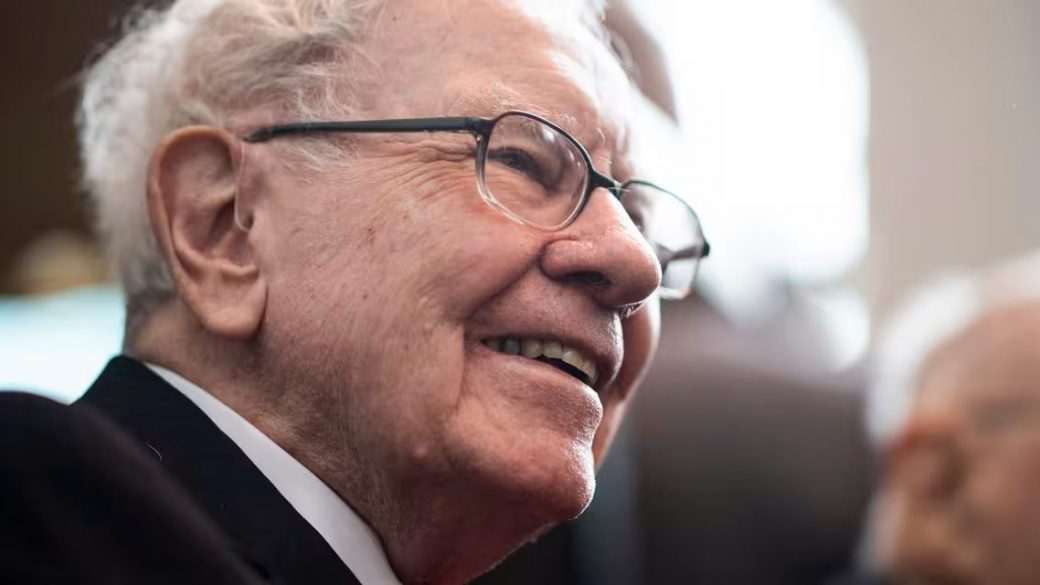
Berkshire Hathaway appears to have accelerated its stock repurchases during the second quarter, according to Barron's analysis. The move reflects Chairman Warren Buffett's assessment that the company's shares trade below intrinsic value.
Accelerated buybacks typically signal management confidence in a company's valuation. For Berkshire, which maintains one of the largest cash reserves among public companies, the shift carries weight in capital allocation decisions. Shareholders scrutinize Buffett's buyback timing closely, as it historically correlates with his views on the company's fair value.
Berkshire's repurchase activity matters to investors because it affects share count and earnings per share calculations. When a company buys back stock at levels management deems undervalued, remaining shareholders benefit from a larger ownership stake in the same business. Conversely, repurchases at inflated prices dilute long-term returns.
The second-quarter acceleration follows Berkshire's pattern of opportunistic buybacks. The company has flexibility to pursue aggressive repurchases given its substantial liquidity position, which provides a cushion for both insurance operations and opportunistic acquisitions.
Berkshire does not provide specific buyback guidance or quarterly repurchase targets, making inference from regulatory filings the only direct measure of activity. Investors and analysts track 13-F filings and earnings reports to estimate buyback pace quarter-to-quarter.
The conglomerate's buyback strategy differs from many peers. Rather than committing to preset programs, Buffett treats repurchases as a capital deployment option competing against acquisitions, dividends, and cash retention. This discretionary approach means buyback volume fluctuates significantly based on his real-time valuation judgment.