
Wong’s Cabinet Reshuffle Signals Intentional Leadership Pipeline for Singapore’s Next Phase
PM Wong's cabinet reshuffle elevates emerging administrators while pairing them with experienced leaders, signaling a deliberate strategy to build Singapore's next generation of government officials.

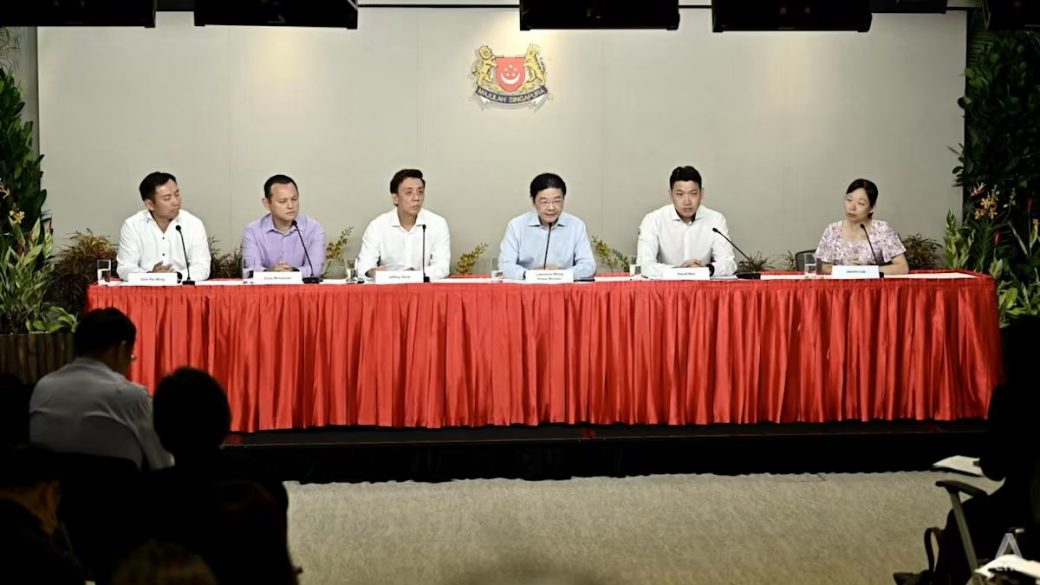
Prime Minister Lawrence Wong's recent cabinet reorganization reflects a deliberate strategy to cultivate leadership depth across Singapore's government apparatus. The reshuffle moves key figures into expanded portfolios while introducing less-seasoned officials to ministerial responsibility, a pattern that suggests succession planning rather than reactive adjustment.
The timing and scope of the changes indicate Wong is addressing a structural concern: ensuring continuity of administrative competence as the current generation of ministers approaches retirement. By pairing experienced administrators with emerging leaders in critical portfolios, the cabinet structure creates mentorship pathways that were absent in previous transitions.
Singapore's political system depends on orderly handoffs of power within a controlled institutional framework. Unlike democracies with broader leadership recruitment pipelines, the city-state's model relies on identifying and testing potential successors within government ranks. The reshuffle accelerates this identification process by placing candidates in positions where their performance becomes visible to both peers and the public.
The restructuring also reflects Wong's distinct leadership approach compared to his predecessor. Where previous administrations consolidated power within established networks, this reshuffle distributes responsibility across a broader cohort. This diffusion carries both benefits and risks: it exposes younger officials to high-stakes decision-making but also creates potential coordination challenges across ministries managing interconnected policy areas.
For Singapore's economic competitiveness, leadership continuity matters acutely. The city-state lacks geographic or resource advantages; its primary asset is institutional stability and administrative capability. A cabinet that credibly demonstrates succession readiness reassures foreign investors and reduces uncertainty around long-term policy consistency.
The practical effects will emerge over the next 18-24 months. Whether the elevated officials successfully manage their expanded briefs will determine whether Wong's approach produces a durable second-tier leadership bench or simply reshuffles existing constraints. The cabinet structure itself is less revealing than how its members execute policy under pressure—a test the public record will eventually provide.