

Why the Yen Still Cannot Catch a Break
The yen's persistent weakness comes down to one root cause: the wide interest rate gap between Japan and the United States, and two central banks moving apart.

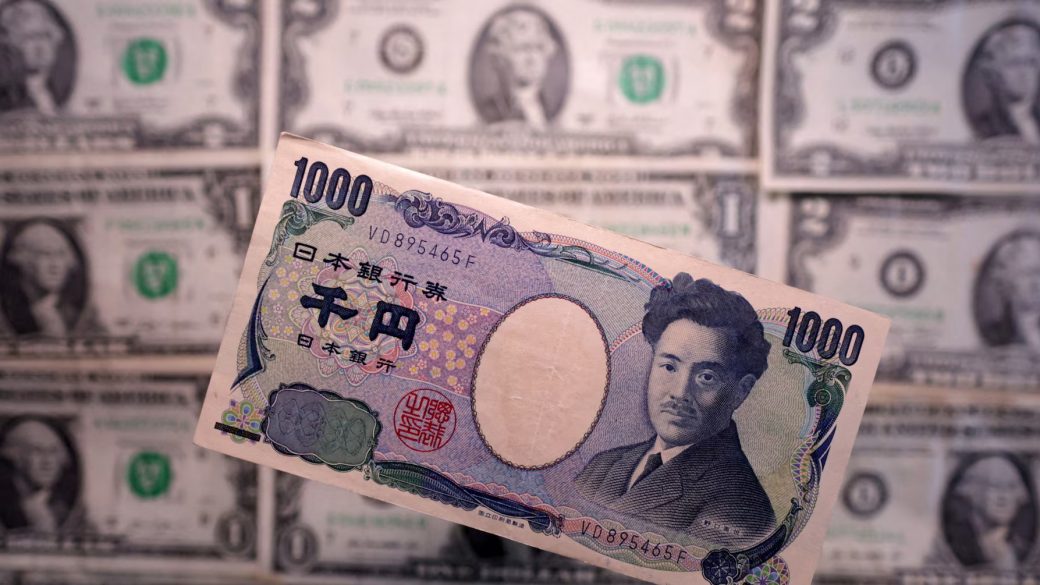
The yen has spent years near multi-decade lows against the dollar, and the reasons are less mysterious than they appear. At the center sits one persistent problem: the interest rate gap between Japan and the United States.
The Bank of Japan held interest rates at or below zero for most of the past decade. The US Federal Reserve, by contrast, raised rates sharply to fight inflation. That gap rewards anyone who borrows cheaply in yen and parks the money in higher-yielding dollar assets.
This trade, often called the carry trade, pushes constant selling pressure onto the yen. As long as the yield gap stays wide, the structural incentive to sell yen does not disappear.
A slow turn at the Bank of Japan
The BOJ ended its negative rate policy in 2024, its first hike in 17 years. That marked a real shift in direction. But the pace has been cautious, and Japanese rates remain far below US levels.
The central bank faces a difficult balance. Move too fast, and it risks choking off the fragile wage growth and inflation it spent years trying to build. Move too slow, and the yen keeps bleeding.
Markets have learned to read the BOJ's caution as a signal. Each meeting that passes without a clear path to higher rates tends to weaken the currency further.
Why intervention has limits
Japan's Ministry of Finance has stepped into currency markets several times to slow the yen's slide. These interventions can produce sharp, fast moves in the exchange rate.
The effect rarely lasts. Intervention can fight speculation and disorderly trading, but it cannot close an interest rate gap. Once the immediate shock fades, the underlying pressure returns.
This is the core frustration for Japanese policymakers. They can manage the symptoms of yen weakness, but the cure sits with monetary policy on both sides of the Pacific.
The Fed matters as much as the BOJ
Much of the yen's path now depends on decisions made in Washington, not Tokyo. When the Fed signals rate cuts, the yield gap narrows and the yen tends to strengthen.
When US inflation proves sticky and the Fed holds firm, the gap stays wide and the yen stays weak. The currency has become, in effect, a bet on the timing and depth of Fed easing.
This dependence cuts both ways. A faster US cutting cycle could lift the yen quickly. A slower one keeps the pressure on.
What a weak yen does to Japan
A cheaper yen is not all bad news. It makes Japanese exports more competitive and inflates the overseas earnings of large manufacturers when converted back home. Tourism to Japan has also surged, helped by favorable exchange rates.
The cost lands on households. Japan imports most of its energy and much of its food. A weak yen raises the price of those imports, squeezing real incomes even as headline inflation finally returns.
This tension explains the political pressure around the currency. Corporate Japan often benefits, but voters feel the pinch at the grocery store and the fuel pump.
What investors are watching
For now, the yen remains caught between a BOJ that is moving carefully and a Fed that has held rates high. Until that gap narrows in a sustained way, the structural case for yen weakness stays intact.
The key variables are clear. They include the pace of BOJ hikes, the timing of Fed cuts, and the appetite for carry trades that can unwind violently when conditions shift.
The yen's troubles are not a sign of crisis. They are the predictable result of two central banks moving in different directions, and of a market that has learned to profit from the distance between them.