
Uber and Waymo clash over Washington D.C. robotaxi rules, with conflicting visions on how AVs should operate
Uber and Waymo are clashing over Washington D.C. robotaxi regulations. Uber proposes requiring autonomous vehicles to operate on ride-hailing networks with human drivers, while Waymo backs stricter testing and deployment rules that favor its advanced development stage.

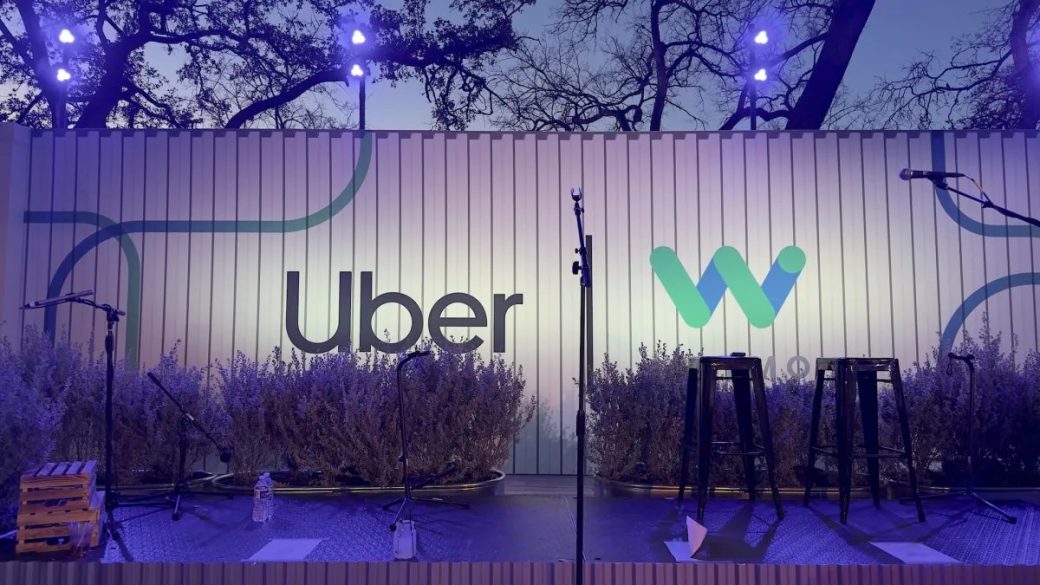
Uber and Waymo are locked in a regulatory battle over how autonomous vehicles should be deployed in Washington D.C., with the two companies backing fundamentally different policy frameworks.
Uber, which opposes a D.C. Council bill permitting autonomous vehicle operations, has lobbied for a "hybrid" system requiring robotaxis to operate on ride-hailing networks alongside human drivers. The approach would force AV developers like Waymo to either list their robotaxis on platforms such as Uber's app or maintain human driver fleets in parallel with their autonomous fleets—a costly proposition given the years and hundreds of millions in development costs already sunk into the technology.
Insiders say the hybrid proposal has negligible chances of becoming law. Waymo, by contrast, appears to be one of the few companies that generally favors the bill as currently drafted.
At a D.C. Council hearing on Monday, representatives from Lyft, Tesla, Uber, and Waymo testified alongside disability advocates, labor unions, safety organizations, and industry groups. The hearing exposed sharp divides within the autonomous vehicle sector itself.
Tesla's senior policy adviser, India Herdman, voiced concerns shared by multiple AV developers about specific provisions: a 180-day, 250,000-mile mandatory testing requirement; a $1 million application fee; a $5 million permit fee; and a $0.15-per-mile tax. Several companies argued that testing miles accumulated in other jurisdictions should count toward the threshold.
Waymo holds a structural advantage under the current proposal. The company has already completed autonomous vehicle testing in Washington D.C. with human safety operators and has surpassed the 180-day and 250,000-mile benchmarks. If the bill passes unchanged, Waymo would enter the market with at least a six-month head start relative to competitors still working through the testing phase.
This regulatory standoff reflects a broader tension in the autonomous vehicle industry: companies with advanced testing infrastructure and regulatory approval in other cities want streamlined deployment rules, while ride-hailing platforms seek to maintain control over the distribution channel and labor arrangements.
The D.C. case illustrates how AV policy is no longer a theoretical debate. As autonomous vehicle technology approaches commercial deployment in major metropolitan areas, the rules governing their operation will determine market structure and competitive dynamics. Waymo's willingness to support stringent regulations may reflect confidence in its testing compliance and competitive positioning, while Uber's opposition signals concern about losing leverage over how autonomous vehicle services reach consumers.