

U.S.-Iran Tensions Escalate Over Strait of Hormuz as Ceasefire Collapses
U.S. and Iranian forces have resumed military strikes over control of the Strait of Hormuz after a ceasefire collapsed in July 2026. The blockade threatens one of the world's most critical shipping lanes.

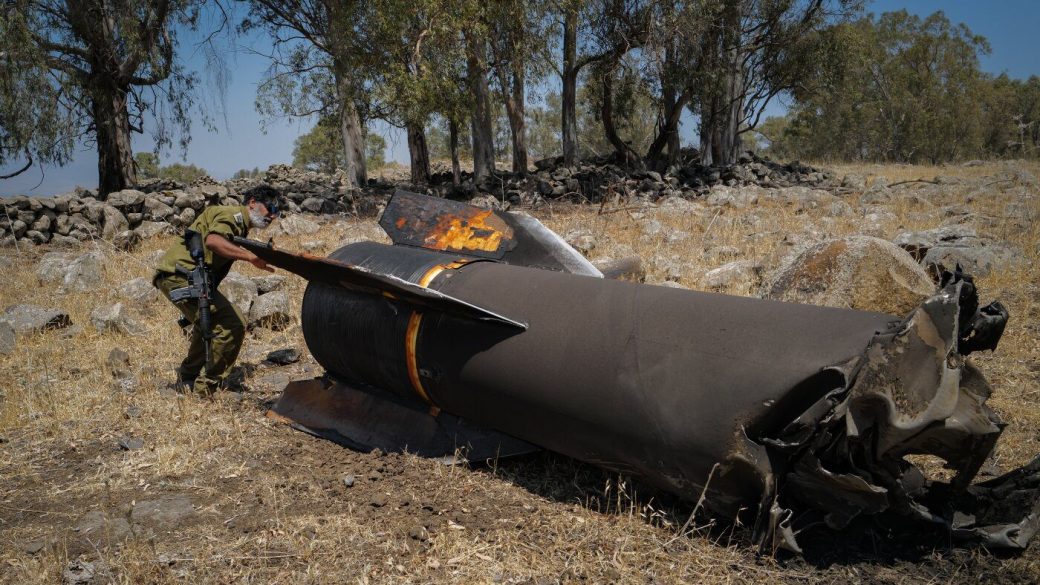
The U.S. and Iran have resumed military operations after a ceasefire agreement unraveled in mid-July 2026, with both sides trading strikes over control of the Strait of Hormuz for six consecutive days.
According to NPR, the U.S. military launched strikes targeting Iranian command centers and missile sites, while Iran responded by attacking U.S. military bases in Gulf countries. The exchanges marked the third weekend of renewed hostilities, with operations extending into weekdays as each side escalated its response.
President Trump declared the ceasefire "over" during a NATO meeting, though he signaled openness to future negotiations. The statement came after days of mounting tensions centered on the Strait of Hormuz, a critical waterway through which roughly one-third of global seaborne petroleum traffic flows.
The U.S. military initiated a blockade of Iranian ports, restricting ship movements in and out of the country. The Iranian government has countered by asserting control over the strait and threatening to disrupt shipping lanes. On July 15, U.S. forces struck a commercial tanker vessel that was allegedly attempting to circumvent the American blockade near Kharg Island.
Analysts have cautioned that recognizing Iran's claimed authority over the Strait of Hormuz could establish a troubling precedent, encouraging other nations to attempt similar claims over strategically important waterways and shipping channels.
The conflict has also extended beyond military operations. Democratic Congressman Ro Khanna reported being detained for over an hour by armed Israeli settlers in the West Bank on July 14, after which he contacted the U.S. embassy to secure his release. U.S. Ambassador to Israel Mike Huckabee disputed Khanna's account, characterizing the congressional visit as a "stunt" and noting that Khanna had not obtained prior clearance for the military-controlled area.
The broader pattern reflects deepening U.S. difficulty in achieving military objectives in the Middle East. NPR analysis notes that American presidents have repeatedly promised short, decisive conflicts in Afghanistan, Iraq, and Iran—commitments that have consistently proved unrealistic. The 20-year war in Afghanistan, which ended with Taliban control restored following the 2021 U.S. withdrawal, exemplifies the gap between initial timelines and actual outcomes.
The current escalation represents a significant shift from the ceasefire framework agreed upon just weeks earlier, underscoring the fragility of regional stability and the economic risks to global shipping and energy markets.