
Trump vows to strike Iran’s bridges and power infrastructure over Strait of Hormuz attacks
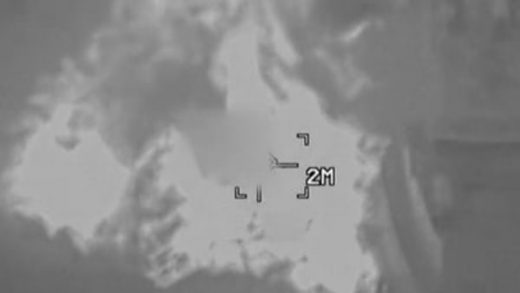
Donald Trump has threatened to target Iran's bridges and power infrastructure in retaliation for alleged attacks on shipping in the Strait of Hormuz, escalating rhetoric between the two nations beyond previous warnings.

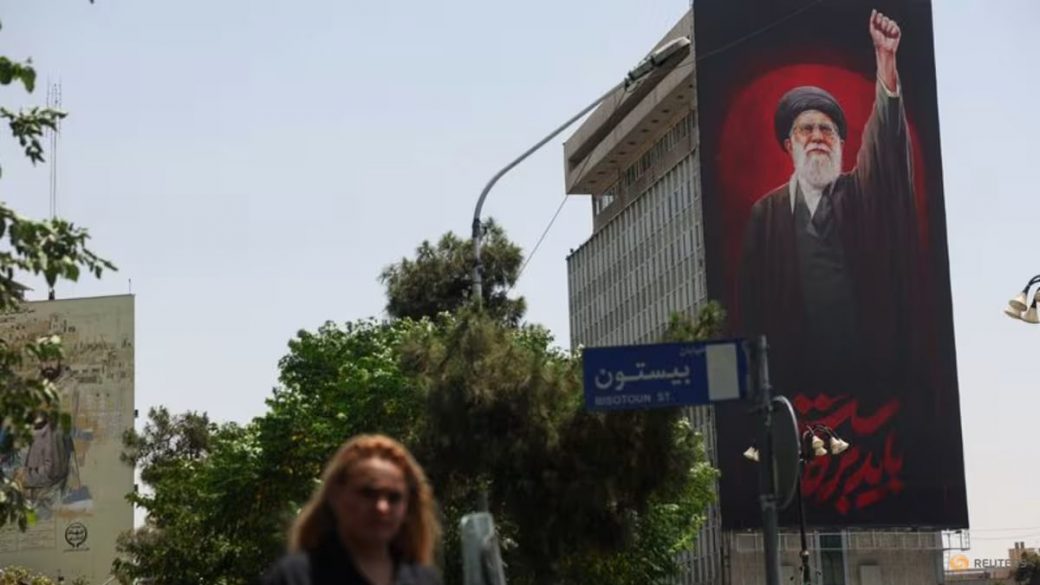
Donald Trump has threatened to target Iran's bridges and electrical infrastructure in retaliation for attacks on shipping in the Strait of Hormuz, according to Channel News Asia. The threat represents a significant escalation in rhetoric between the two nations, moving beyond previous warnings to explicitly name infrastructure targets.
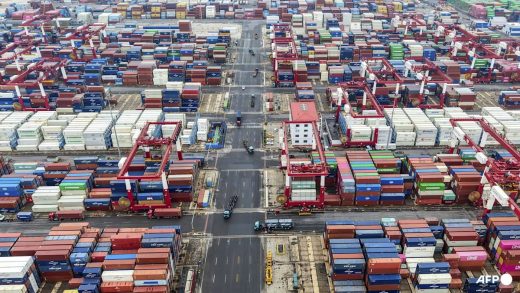
The statements link to alleged Iranian involvement in strikes against commercial vessels passing through the strategically critical waterway. The Strait of Hormuz remains one of the world's most vital shipping corridors, with roughly one-fifth of global petroleum transit flowing through it annually. Disruptions to this route carry immediate consequences for energy prices and supply chains across Asia and beyond.
Trump's targeting of civilian infrastructure—specifically bridges and power systems—would represent a substantial shift in military doctrine if implemented. Such strikes typically aim to degrade a nation's ability to project power or sustain military operations, though they inevitably affect civilian populations.
The rhetoric comes amid broader tensions in the Middle East. Iran has previously denied direct involvement in Hormuz attacks, instead attributing such incidents to regional proxies or miscalculation. The U.S. has maintained that Iranian-backed groups operate unmanned systems throughout the region.
For markets and logistics operators, the threat adds another layer of uncertainty to already volatile global trade patterns. Energy traders have shown sensitivity to Hormuz disruption scenarios, and any actual military action could reshape regional dynamics affecting shipping insurance costs, fuel prices, and supply chain routing decisions.
Historically, threats of U.S. military action against Iran have not always materialized as stated. Previous administrations have drawn red lines and adjusted tactics based on diplomatic channels and casualty assessments. The current statements should be weighed against past precedent while acknowledging the distinct political context of 2025.