
Trump Orders New Iran Strikes After US Military Deaths
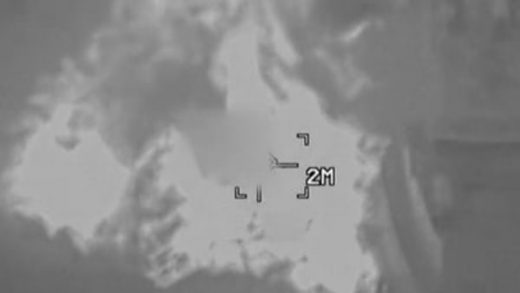
President Trump authorized new military strikes against Iran after US service members were killed, warning Tehran would face consequences. The escalation marks a significant shift in direct US-Iran confrontation.

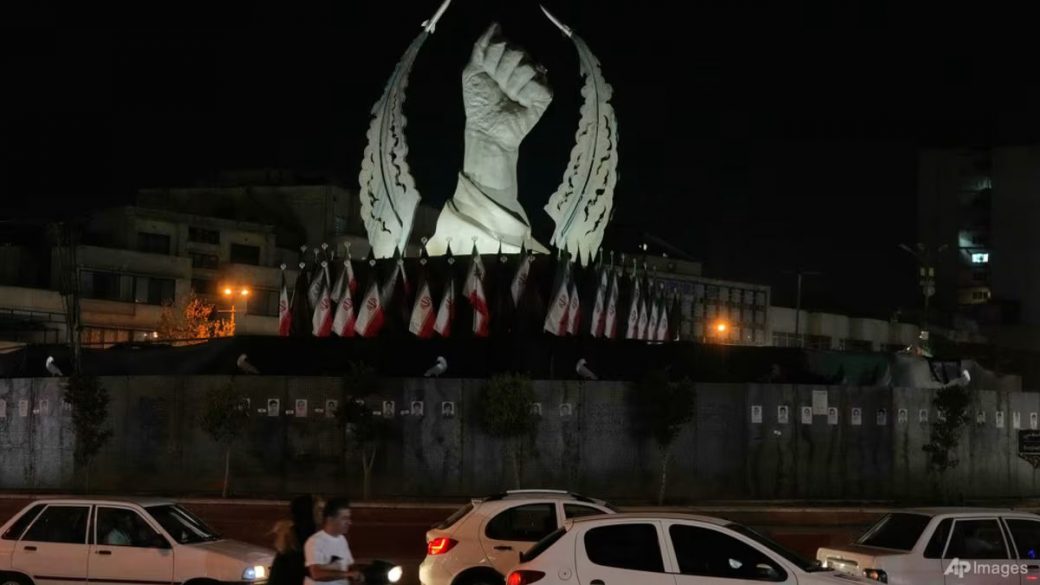
President Trump authorized fresh military strikes against Iran following deaths of US service members, escalating a conflict that has simmered since the US withdrew from the 2015 nuclear deal.
Trump stated that Iran "will pay" for the loss of American lives, though specific details about the timing and scope of the new strikes remain unclear. The statement represents a direct threat to Tehran at a moment when US military presence in the Middle East faces mounting pressure.
The deaths mark a significant shift in the US-Iran dynamic. Previously, both sides had largely avoided direct confrontation despite years of proxy conflicts across Iraq, Syria, and the broader region. The incident appears to have crossed a threshold that Trump views as demanding immediate retaliation.
Context matters here. The US maintains roughly 900 troops across Iraq and Syria, positions that have become flashpoints for Iranian-backed militia attacks. These groups, many aligned with Tehran's Islamic Revolutionary Guard Corps, have conducted dozens of drone and rocket strikes against American positions over the past year.
The new strikes come as regional tensions remain elevated. Israel's military operations in Gaza and Lebanon have created additional pressure points, while Yemen's Houthi movement, backed by Iran, continues attacking commercial shipping in the Red Sea.
Analysts note the risks of escalation spiraling beyond either side's intended scope. Military actions, once initiated, can prompt counter-responses that draw in additional actors. Previous cycles of US-Iran tensions have demonstrated how quickly localized incidents can expand into broader conflicts.
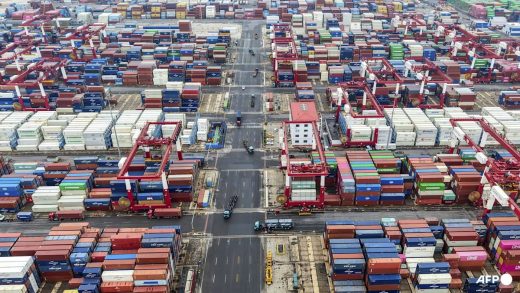
For investors and policymakers monitoring Middle East stability, the trajectory matters. Oil markets have already absorbed some risk premium given regional tensions, though a sustained escalation could pressure energy prices higher. Global supply chains already strained by past disruptions face renewed uncertainty.
The Biden administration had pursued a more restrained approach to Iranian provocations, absorbing many attacks without broad retaliatory strikes. Trump's stated willingness to respond more forcefully signals a strategic recalibration that will likely define US-Iran relations through 2025.