Trump administration threatens sanctions against Chinese AI startups over IP theft allegations
The Trump administration is threatening sanctions against Chinese AI startups including Moonshot, citing intellectual property theft allegations. The move follows the surge in popularity of Beijing-based open-source AI models competing with US alternatives.

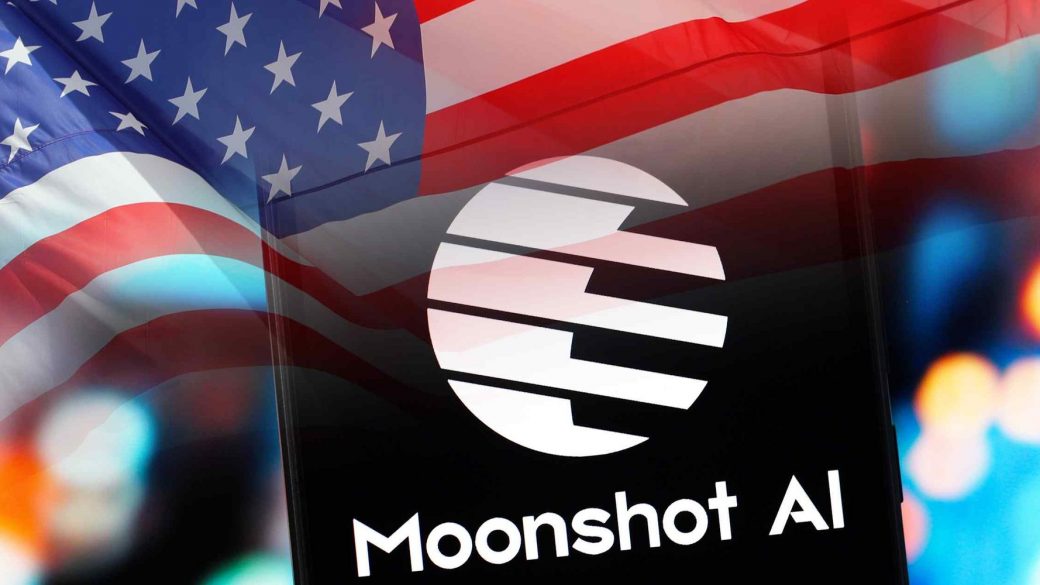
Officials in the Trump administration are threatening sanctions and other enforcement actions against Chinese artificial intelligence startups, including Moonshot, over allegations of intellectual property theft from American frontier AI labs.
The escalation reflects growing anxiety in Washington about the rapid advancement of Chinese AI models. Moonshot's latest offering, Kimi K3, ranks among the top open-source models globally, trailing only Anthropic's Claude and OpenAI's ChatGPT in benchmark performance.
The timing coincides with a broader surge in adoption of China-origin open-source models, which have gained traction among developers and enterprises internationally. This competitive momentum has prompted US policymakers to consider stricter enforcement measures against companies they accuse of misappropriating proprietary technology from domestic labs.
Moonshot, founded in Beijing, has emerged as one of the most visible targets of the administration's concerns. The startup has garnered attention for releasing capable models that compete directly with American counterparts, positioning itself as a faster-moving alternative to established players.
Sanctions represent one of several potential tools the administration is considering. Officials have signaled willingness to pursue additional restrictions beyond tariffs and export controls, though the specific mechanisms remain under discussion.
The IP theft allegations center on claims that Chinese startups have used proprietary training techniques or model architectures developed by American labs without authorization. Substantiating such claims typically requires detailed technical analysis, and public evidence supporting the allegations remains limited.
This confrontation mirrors earlier US attempts to constrain China's AI development through chip export controls and other supply-chain restrictions. The addition of sanctions targeting specific startups represents a more direct enforcement approach, though implementation details have not been clarified.
Chinese AI companies have generally denied copying allegations, arguing instead that their models result from independent research and development. The standoff reflects deepening technology competition between the two countries, with AI becoming an increasingly central front in bilateral tensions.