

Trump Administration Caps International Student Visas at Four Years, Threatening U.S. College Revenue and Research Pipeline
Trump administration limits international student visas to four years with formal extension fees, threatening college revenue and research. European competitors are recruiting internationally meanwhile.

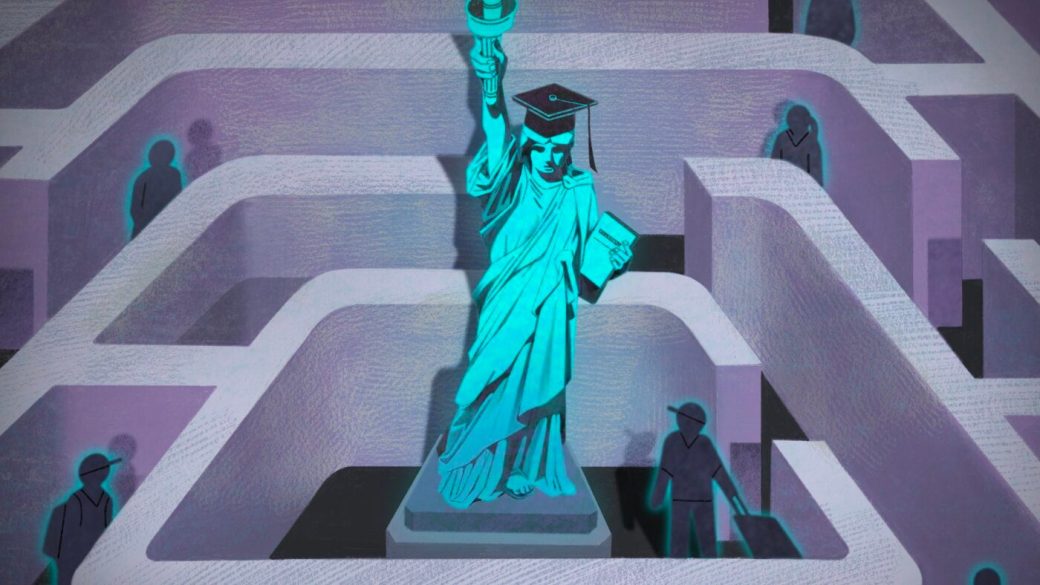
The Trump administration is implementing a four-year ceiling on international student visas, effective September 15, marking a significant shift in U.S. higher education policy. Students seeking to extend their stay beyond four years will now need to apply formally and pay a fee—a change from previous policy allowing indefinite enrollment while making academic progress.
The rule targets what the Department of Homeland Security characterizes as abuse of the visa system, specifically citing "forever students" who perpetually enroll in courses to avoid departure. The administration frames the move as part of broader immigration enforcement and national security vetting.
The restrictions extend beyond duration limits. New rules prohibit switching programs and changing majors without additional bureaucratic hurdles, complicating pathways for students in programs exceeding four years—notably medical degrees and PhDs.
Financial implications for colleges
International students represent substantial revenue for U.S. institutions. They do not qualify for federal financial aid and frequently pay full tuition. On many campuses, international enrollment exceeds 20% of the student body. Universities view the policy as a direct threat to operating budgets at a time when research funding has already contracted.
Fanta Aw, executive director and CEO of NAFSA: the Association of International Educators, warned that reduced international PhD enrollment will erode American research competitiveness. "What is at stake is, frankly, the preeminence of American higher education," according to Aw. "At a time when there's increased competition, we continue to shoot ourselves in the foot every single time."
NAFSA labeled the policy "misguided and unnecessary bureaucracy."
Enrollment headwinds already visible
The timing compounds existing pressures. Graduate program international enrollment declined significantly in the previous academic year compared with the year prior. Simultaneously, European institutions are intensifying recruitment efforts to attract international students away from the U.S.
The rule takes effect mid-September, after most fall enrollment cycles conclude. However, it is expected to suppress future cohorts as prospective international students and their families reassess U.S. education as an option.
The policy reflects broader administration actions targeting higher education, including cuts to university research grants and wider scrutiny of the sector.