

Tharman Signals Deeper Singapore-Malaysia Economic Ties During State Visit
President Tharman says Singapore and Malaysia are 'building further' on economic ties, with the Johor-Singapore SEZ anchoring hopes for expanded cross-border capital flows.

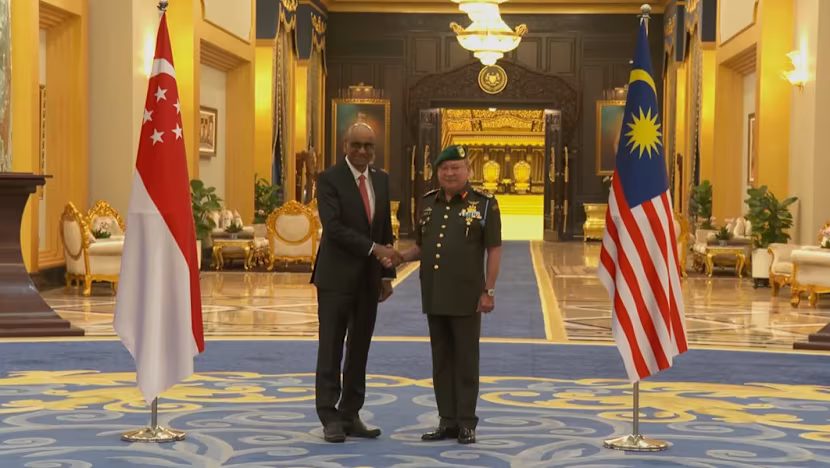
Singapore President Tharman Shanmugaratnam said the two neighbours are "building further" on an already strong economic partnership, according to CNA, during a state visit that put bilateral trade and investment ties back at the centre of the relationship.
The framing is notable less for any single announcement than for what it signals about capital flows between two of Southeast Asia's most interconnected economies. Malaysia consistently ranks among Singapore's largest trading partners, and Singapore is a leading source of foreign direct investment into Malaysia. The relationship spans manufacturing supply chains, financial services, and cross-border labour, with tens of thousands of workers commuting daily across the Causeway.
The CNA report characterised the partnership as strong and expanding, but did not detail new financial commitments, investment figures, or specific deal terms tied to the visit. That absence matters for readers looking for hard numbers. Diplomatic language about "building further" typically precedes, rather than confirms, concrete agreements.
Where the money is likely to flow
The most watched vehicle for deepening ties is the Johor-Singapore Special Economic Zone (JS-SEZ), a joint initiative the two governments have been developing to attract manufacturing, logistics, and data centre investment into Johor while leveraging Singapore's capital markets and corporate base. The zone is positioned to channel cross-border investment by offering tax incentives and streamlined movement of goods and people.
For investors and corporates, the strategic rationale is straightforward: land and labour costs in Johor are materially lower than in Singapore, while Singapore retains its role as a financing and headquarters hub. That complementarity is the core of the economic case, and it is the mechanism through which any expansion of the partnership would translate into measurable investment.
What to verify
The source does not quantify the scale of trade, investment, or any commitments announced during the visit. Readers should treat the "building further" characterisation as a statement of intent rather than a confirmed capital deployment. Concrete figures, if any emerge, would appear in subsequent government statements, memoranda of understanding, or company filings.
The Asia angle here is clear. Any strengthening of the Singapore-Malaysia corridor affects how regional and international capital is allocated across the two markets, particularly in sectors such as data centres and advanced manufacturing that both governments are courting. For now, the direction is signalled but the numbers remain to be published.