

Tesla dials back robotaxi promises as deployment timelines slip
Tesla has softened its robotaxi claims as autonomous vehicle deployment faces technical setbacks and regulatory headwinds. The shift reflects pressure to deliver on repeatedly delayed timelines.

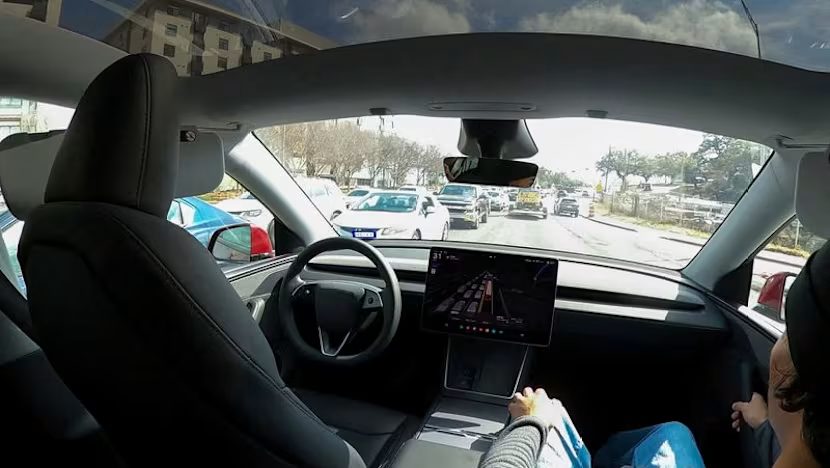
Tesla has softened its public stance on robotaxi deployment, marking a notable retreat from years of aggressive timelines that positioned autonomous vehicles as a near-term revenue driver for the electric vehicle manufacturer.
The shift reflects mounting pressure on Tesla to deliver tangible results on a technology roadmap that has repeatedly missed targets. Previous commitments to launch robotaxis in multiple cities have been pushed back, with no concrete launch dates currently announced for widespread deployment.
Musk has historically used robotaxi announcements to justify Tesla's valuation premium, framing the business as a future high-margin service revenue stream that could dramatically expand the company's addressable market. Analysts have valued this autonomous fleet opportunity at hundreds of billions of dollars in theoretical upside, with some models suggesting robotaxi revenue could eventually exceed core automotive sales.
However, the technical and regulatory environment has proven more complex than initially presented. Real-world testing has exposed safety and reliability challenges that require iterative refinement. Simultaneously, regulatory frameworks remain fragmented across jurisdictions, limiting opportunities for rapid interstate or international scaling.
Competitors including Waymo and Cruise have also advanced their own autonomous programs, though Cruise faced significant setbacks in 2023 following safety incidents. This competitive landscape has compressed Tesla's window to establish first-mover advantage in the robotaxi space.
The recalibrated messaging suggests Tesla is managing investor expectations more carefully, potentially positioning the company to announce meaningful progress as a positive surprise rather than acknowledge continued delays against established commitments. From a valuation perspective, any actual robotaxi revenue generation—even at modest scale—would provide concrete justification for the company's current enterprise value, which relies heavily on long-term autonomous driving assumptions.
The timeline extension also buys Tesla additional time to refine its full self-driving software stack and navigate regulatory approval processes. Industry observers note that successful robotaxi deployment requires not just technical capability but also insurance frameworks, liability standards, and public acceptance that remain unresolved across most markets.