

Spain’s World Cup victory parade unlikely to generate measurable economic impact for DTW readers
Spain's World Cup champions face a one-million-person homecoming parade with minimal direct market implications. The event creates short-term operational activity but lacks strategic value for investors tracking technology, capital flows, or significant commercial deals.

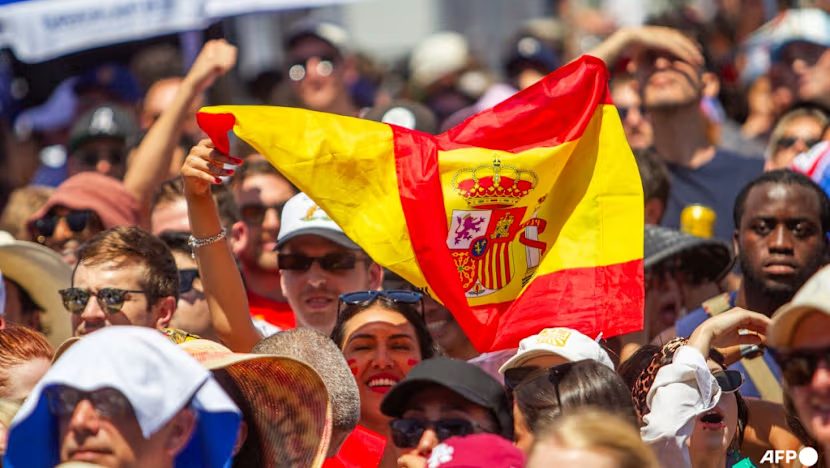
Spain's World Cup-winning soccer team is expected to draw approximately one million people to a homecoming celebration, according to local media reports. The gathering will mark one of the country's largest public assemblies in recent years.
From a markets perspective, the event presents minimal direct financial implications. No major commercial partnerships, sponsorship deals, or revenue streams tied to the parade have been announced. Traditional post-tournament celebrations of this scale generate marginal economic activity—primarily through temporary hospitality and retail sales—but lack the structural impact relevant to investor analysis.
The logistics of assembling and managing such crowds do create operational considerations for event management firms and local service providers, though these remain localized and short-duration in nature. Security, transportation, and crowd control represent the primary cost drivers, with no indication of significant technology infrastructure deployment or innovation.
For the tech and business communities tracked by DTW, the event functions as a cultural milestone rather than a market event. No capital allocation, strategic partnerships, or valuations emerge from such celebrations. The scale of attendance, while noteworthy as a social phenomenon, does not translate into metrics relevant to funding rounds, public company performance, or sector trends.
Spain's sports sector does benefit from international tournament success through increased media rights valuations and sponsorship premiums in subsequent cycles. However, these effects distribute across broadcast networks and athletic brands rather than concentrating in single transactions or announcements. Any downstream commercial activity would likely appear in quarterly financial reports from media companies or sports equipment manufacturers rather than in standalone deal announcements.
Investors monitoring Spanish consumer spending or hospitality operators may note modest short-term activity spikes in Madrid and surrounding regions during the parade period, but sustained economic benefit remains difficult to quantify without specific retail or booking data from affected businesses.