

Spain’s dual World Cup wins signal shifting economics of women’s soccer
Spain's back-to-back World Cup wins highlight how governance reform and federation investment directly drive competitive outcomes. The men's program benefits from La Liga's mature capital structure; the women's program required institutional overhaul.

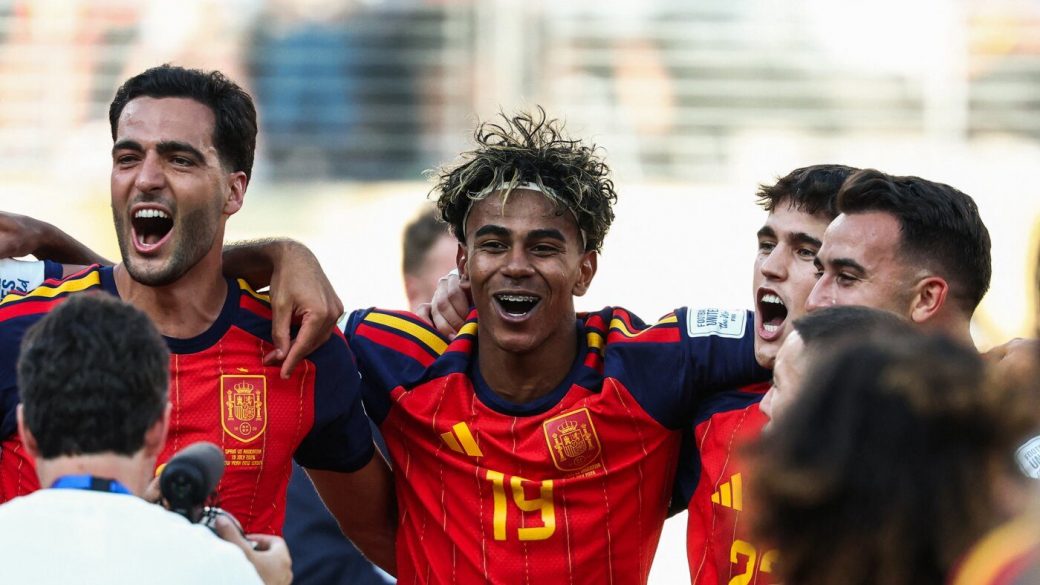
Spain became the first nation to win men's and women's FIFA World Cup titles in consecutive tournaments when the men's team defeated Argentina 1-0 on July 19, 2026, following the women's team's 2023 victory. The achievement carries broader market significance: it underscores how federation spending priorities and governance reforms directly affect competitive outcomes.
Spain's men's program has benefited from a mature, well-capitalized domestic league system. La Liga generates substantial broadcast revenue and attracts global investment; Real Madrid ranks among the world's most valuable sports franchises, while FC Barcelona's valuation places it third among soccer clubs globally. This financial ecosystem creates a pipeline for talent development and institutional stability.
The women's program operated under fundamentally different conditions until recently. Spanish women's soccer faced chronic underinvestment, poor coaching infrastructure, and documented governance failures. In 2015, the entire Women's World Cup squad demanded the removal of coach Ignacio Quereda, citing indifference from the Royal Spanish Football Federation. A 2021 documentary detailed allegations of sexual harassment and verbal abuse by Quereda during his 27-year tenure.
The 2023 World Cup victory exposed these structural problems publicly. After winning the tournament, federation president Luis Rubiales forcibly kissed forward Jenni Hermoso, alongside other alleged misconduct. The incident prompted a rare show of solidarity: the entire women's squad backed Hermoso's calls for leadership removal, forcing federation reform. Rubiales was suspended three years, then convicted of sexual assault. Members of the men's squad, including striker Borja Iglesias, publicly supported the women's players, with Iglesias refusing to represent the federation until Rubiales departed.
This governance overhaul—triggered by international pressure and athlete activism—created conditions for institutional change. Increased resource allocation to women's programs, coaching upgrades, and federation accountability directly enabled competitive results. The 2026 victory demonstrates how capital reallocation and management reform translate into measurable outcomes.
The financial model extends beyond Spain. European soccer federations allocate sponsorship revenue, broadcast deals, and training budgets asymmetrically between men's and women's programs. Spain's forced rebalancing—driven by reputational risk and athlete leverage—suggests federations face mounting pressure to equalize investment. As women's soccer generates rising broadcast valuations and sponsorship interest, the gap between spending and revenue capture narrows, creating both financial opportunity and governance risk for federations that delay reform.