
SpaceX aborts Starship V3 launch after engine ignition failure in South Texas
SpaceX aborted its second Starship V3 launch Thursday after four Raptor engines failed to ignite at the South Texas facility. CEO Elon Musk said the company will replace two engines before attempting another flight next week.

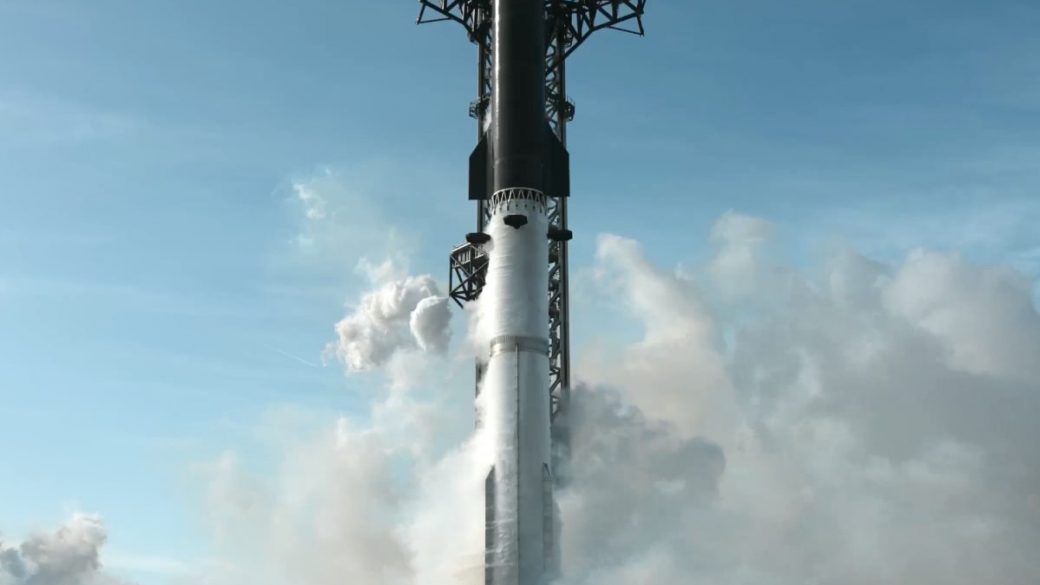
SpaceX abruptly halted its second Starship V3 launch attempt on Thursday after multiple engines failed to ignite at its South Texas facility, triggering an automatic abort just moments into the ignition sequence.
According to CEO Elon Musk, the booster experienced a mechanical failure when "some of the engines didn't start," prompting the onboard system to terminate the launch automatically. Musk stated on X that SpaceX will replace two of the Raptor engines before attempting another flight next week. Graphics from SpaceX's broadcast feed indicated that four of the company's new Raptor engines did not fire at ignition.
The abort marked a setback for the company's effort to advance its Starship program following its first V3 test flight in May. That mission demonstrated progress—the booster reached the launchpad and deployed Starlink simulator payloads—but the Super Heavy booster stage experienced a failure before executing a simulated landing, triggering an FAA-ordered investigation. The Federal Aviation Administration cleared SpaceX to resume flights after identifying multiple causes and remedies for the booster failure.
Thursday's launch attempt had proceeded smoothly until moments before ignition, with only a brief hold at T-minus one minute that resolved quickly. The countdown resumed, the water deluge system activated, and engines began firing visibly before the entire system shut down unexpectedly.
SpaceX intended to deploy its first third-generation Starlink satellites, though the company noted these payloads are designed to burn up approximately 20 minutes after deployment, as Starship has not yet demonstrated the capability to reach stable Earth orbit. The Starlink constellation remains SpaceX's largest revenue source and only currently profitable segment.
This launch attempt came roughly one month after SpaceX's June 12 initial public offering, which raised more than $85 billion and briefly placed the company's valuation alongside Amazon and Microsoft. However, the stock has declined steadily since the IPO. On Thursday, SpaceX's share price closed below the $135 IPO price, and fell an additional 4% in after-hours trading following the aborted launch.
The company now faces the task of depressurizing both the Super Heavy booster and upper stage to conduct a detailed investigation into Thursday's engine failure before scheduling the next launch attempt.