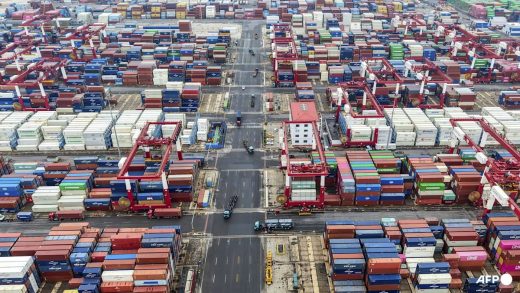

Singapore’s Economy Expands 5.7% in Q2, Cooling From First-Quarter Pace
Singapore's economy grew 5.7% year-on-year in Q2, easing from 6.3% in the prior quarter, according to advance estimates from the Ministry of Trade and Industry.

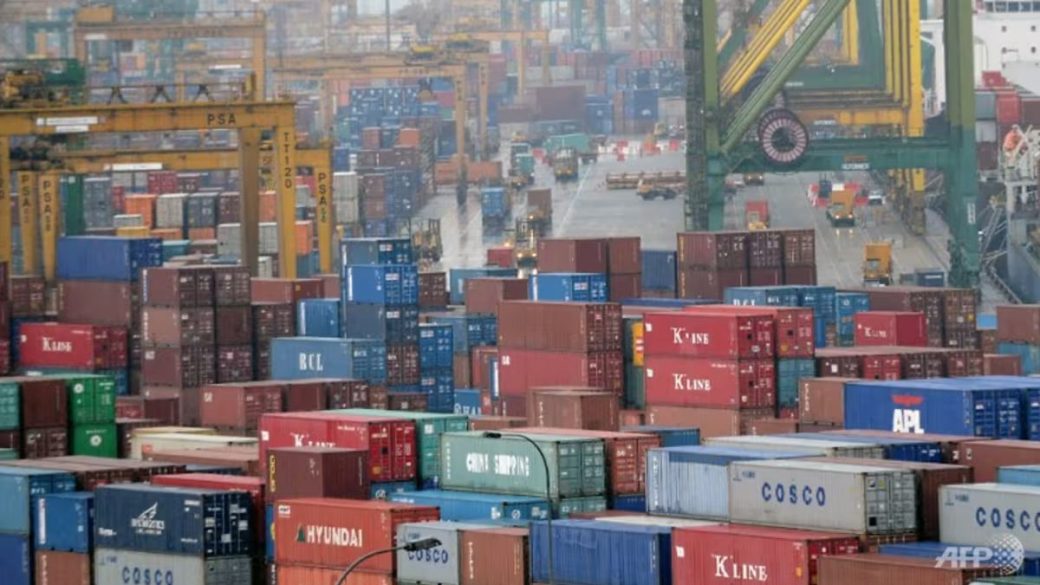
Singapore's economy grew 5.7 per cent year-on-year in the second quarter of 2025, according to advance estimates released by the Ministry of Trade and Industry, cited by Channel NewsAsia. The reading marks a step down from the 6.3 per cent expansion recorded in the previous quarter.
The advance estimates are compiled largely from data in the first two months of the quarter, which means the figure is subject to revision once fuller data becomes available. MTI typically issues a more detailed breakdown by sector in a follow-up release.
What the number signals
A moderation from 6.3 per cent to 5.7 per cent still leaves Singapore growing at a pace that is firm by the standards of a mature, open economy. The slowdown is a deceleration in the rate of expansion, not a contraction, and the year-on-year comparison is shaped in part by the base set in the corresponding quarter a year earlier.
Singapore's output is closely tied to external demand. Manufacturing, wholesale trade, finance and transport-related services carry heavy weight in the headline figure, so shifts in global goods flows and regional demand tend to show up quickly in the national accounts. The advance estimate does not yet detail how each of these segments performed in the quarter, and those details matter for reading the underlying trend.
Why it matters for the region
As one of Asia's most trade-exposed economies, Singapore's quarterly prints are often read as an early indicator of how external conditions are feeding through to the wider region. A cooling but still-positive growth rate suggests demand has softened at the margin rather than stalled.
For businesses and investors watching Southeast Asia, the more useful signal will come with the sector-level breakdown and any accompanying commentary on the trade outlook. Until then, the advance estimate confirms the direction, growth is easing, without settling the question of how broad-based that easing is.
The figure remains provisional. Revised estimates and the detailed sectoral report will give a clearer picture of whether the second-quarter slowdown reflects a one-off base effect or a more sustained shift in momentum.