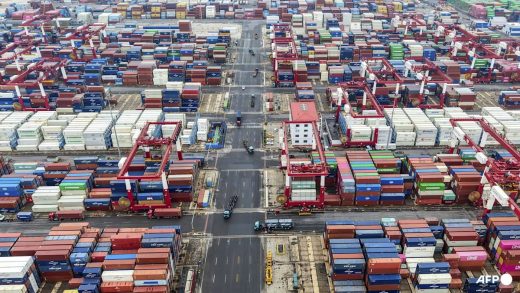

Singapore raises US trade surplus concern in talks with Rubio
Singapore's Foreign Minister raised the US trade surplus issue in talks with Secretary of State Marco Rubio, describing the exchange as 'candid' and signaling the government's willingness to engage directly on bilateral trade matters.

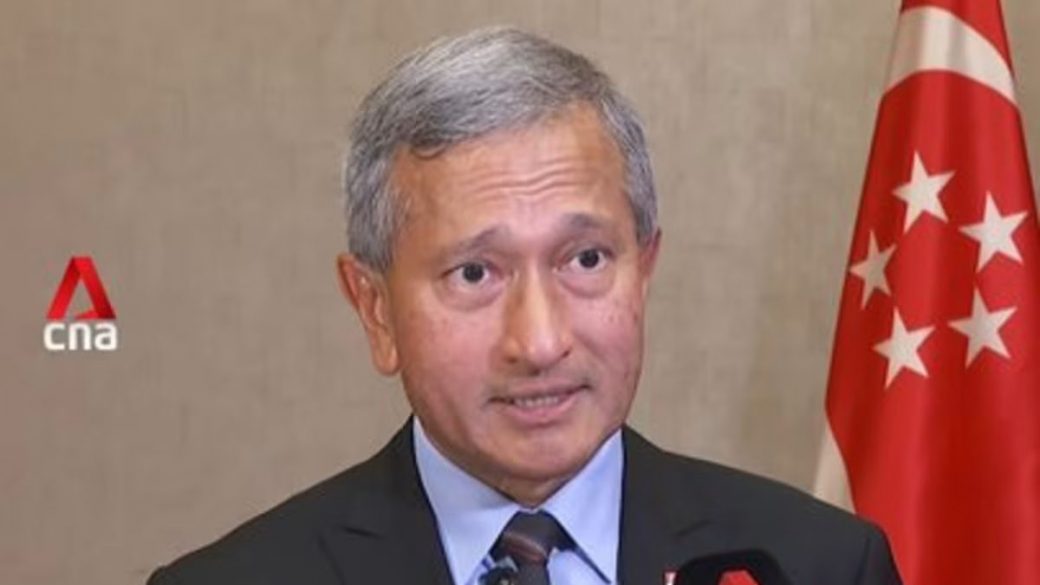
Singapore's Foreign Minister Vivian Balakrishnan has raised concerns about the US trade surplus with Singapore during talks with US Secretary of State Marco Rubio, characterizing the discussions as "good" and "candid."
The comments signal that Singapore is prepared to engage directly with the Trump administration on trade matters, even as it navigates broader regional economic uncertainties. Balakrishnan's framing of the talks as straightforward suggests both sides view the conversation as substantive rather than purely diplomatic posturing.
The US maintains a trade surplus with Singapore, meaning American exports exceed imports from the island nation. This imbalance has become a focal point in Washington's bilateral trade assessments, particularly under the current administration's emphasis on reducing US trade deficits across major trading partners.
Singapore's decision to surface the issue publicly—rather than handle it through quiet diplomatic channels—reflects a strategic shift toward transparency in trade negotiations. By acknowledging the conversation openly, Balakrishnan appears to be signaling Singapore's pragmatic approach to trade relations while demonstrating responsiveness to US concerns.
The timing of these talks occurs as the region grapples with broader trade tensions. Singapore, as a major entrepôt and financial hub, has significant exposure to shifts in global trade patterns and US policy. Any bilateral trade adjustments could have ripple effects across Southeast Asia's supply chains and regional commerce.
Balakrishnan did not disclose specific proposals or outcomes from the meetings, leaving room for ongoing negotiations. The characterization of discussions as "candid" typically indicates both parties felt comfortable expressing direct positions, though it does not necessarily signal agreement on solutions.
Singapore's willingness to engage on trade surplus issues contrasts with approaches taken by some other regional economies, which have often sought to minimize public discussion of trade imbalances with Washington. The openness suggests confidence in Singapore's ability to negotiate from a position of economic strength, particularly given the city-state's role as a critical node in regional and global finance.