
Silicon Valley’s Rich and Retired Are Taking Rank-and-File AI Jobs
Proven founders like Monzo's Tom Blomfield and Chamath Palihapitiya are returning to hands-on AI work, some taking a title Anthropic gives to nearly everyone.

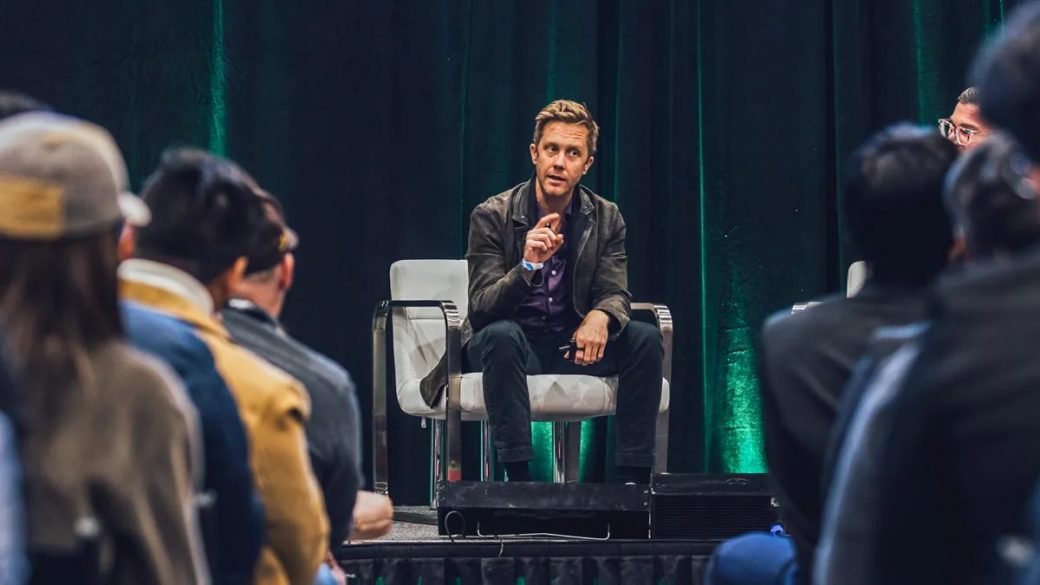
Tom Blomfield, who co-founded the UK fintechs GoCardless and Monzo, said on Monday he is taking a leave of absence from Y Combinator to join Anthropic. The role is not executive. He is joining as a member of technical staff on the compute team, according to TechCrunch.
The move is notable less for the person than for the pattern it fits. A group of founders and operators who already have money and reputation is stepping back into hands-on work, and many are doing it at the AI labs rather than starting their own companies. Their stated reason is consistent: they do not want to sit out what they see as the formative stretch of the technology.
The title tells the story
Blomfield spent 4.5 years as a Group Partner at Y Combinator mentoring founders before this decision. He is taking the label "member of technical staff," the flat, non-hierarchical title that both Anthropic and OpenAI apply to nearly everyone on their technical teams regardless of seniority.
That detail matters. People who have run companies are accepting a designation that carries no formal rank. Peter Bailis did the same. He became CTO of Workday, overseeing AI strategy across a business with $8 billion in revenue, then left in less than a year, taking a member of technical staff spot at Anthropic this March, TechCrunch reported.
The list of established names moving to Anthropic in ordinary technical roles has grown. Instagram co-founder Mike Krieger joined as Chief Product Officer in 2024. Andrej Karpathy, a founding member of OpenAI who later led AI at Tesla and started Eureka Labs, joined the pre-training team in May. Karpathy framed the choice in terms close to Blomfield's, writing that "the next few years at the frontier of LLMs will be especially formative."
Not everyone is joining a lab
Some of the returnees are building their own companies rather than signing on elsewhere.
Chamath Palihapitiya, who left Facebook in 2011 and spent most of the years since in boardrooms and on his "All In" podcast, took his first full-time operating role in over a decade. He is now CEO of 8090 Labs, an enterprise AI coding startup that raised a $135 million Series A led by Salesforce Ventures. Palihapitiya wrote on X that "what we are building now is even more important, so there was no decision to make except to be all in."
Eric Wu, who ran the real estate company Opendoor for a decade before stepping back in 2023, launched NavigateAI, described as an AI copilot for construction workers, with $25 million in seed funding. Wu told TechCrunch that if he looked back in ten years without having done something in the field, he would probably regret it.
Why it matters
The common thread is fear of absence rather than financial need. These are people who have already had exits large enough to stop working. What is pulling them back is the belief that the current phase of AI is early enough to shape and consequential enough to justify a demotion in title.
For the labs, the trend is a recruiting signal. Anthropic in particular has become a magnet for senior operators willing to trade authority for proximity to frontier research. For the broader market, it is a read on where experienced talent thinks the value is being created, and it is not, at least for this cohort, in the executive suite.