
San Francisco Mayor Calls for Mandatory Robotaxi Standards After Waymo Paralyzed City Streets
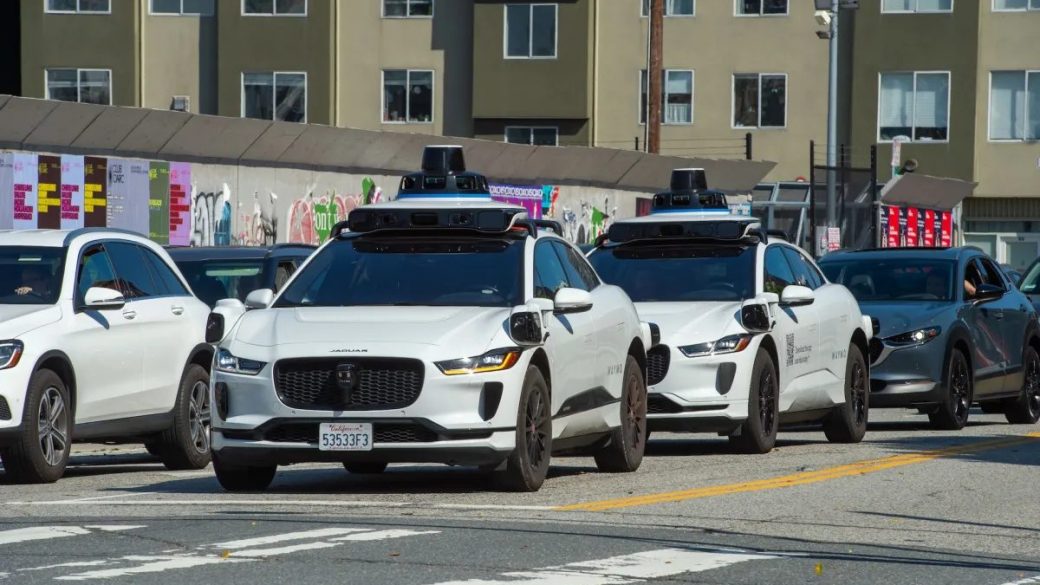
San Francisco Mayor Daniel Lurie is demanding California establish mandatory standards for robotaxi operations after Waymo vehicles became immobilized during two major traffic incidents, paralysing city streets and affecting thousands of residents.

San Francisco Mayor Daniel Lurie has formally asked California state regulators to establish mandatory operational standards for autonomous vehicles, shifting from his previous support for the technology as a testbed for innovation.
The request follows two separate incidents where Waymo robotaxis became immobilized during high-traffic events—a December power outage and the July 4 Golden Gate Bridge fireworks that drew 100,000 spectators. Both times, dozens of stranded vehicles blocked key streets and compounded existing gridlock, trapping municipal shuttles and affecting thousands of residents.
In a letter to the California Department of Transportation, Lurie outlined four required operational capabilities for any robotaxi company operating in the state. Companies would need to immediately remove or relocate immobilized vehicles from active travel lanes, adjust routes and service areas in real time, share detailed operations data with local agencies including service disruptions and vehicle locations, and demonstrate through testing that their fleets can handle large population surges and traffic spikes.
"California's challenge now is not just whether autonomous vehicles can operate safely under normal conditions, but also whether they can perform reliably during extraordinary ones," Lurie wrote in the letter, viewed by TechCrunch.
Waymo currently operates approximately 1,000 robotaxis across the Bay Area and completes over 500,000 paid rides weekly across 11 cities. The company's scale has made it the primary focus for local regulators. Despite Waymo's agreement to restrict service near the waterfront on July 4 and station a representative at the city's emergency center, the measures proved insufficient to prevent vehicles from becoming stuck in traffic outside the designated zone.
Lurie emphasized that while Waymo had taken voluntary precautions, the company's expanding fleet size means self-regulation is no longer adequate. "These voluntary actions are no longer enough," he stated, noting that the proposed requirements "will not undermine autonomous vehicles; they will strengthen them."
California's current regulatory framework requires companies to obtain permits from both the state Department of Motor Vehicles and the Public Utilities Commission. Six companies—including Nuro, Waymo, and Amazon-owned Zoox—currently hold driverless testing permits, while others are preparing to launch commercial services. The state's existing rules are stricter than those in Texas and Arizona, though this has not deterred companies from pursuing operations in the region.
TechCrunch reached out to Waymo for comment on the mayor's letter. The timing of Lurie's push reflects a broader tension between San Francisco's historical embrace of autonomous vehicle testing and the practical challenges posed by large-scale commercial deployments in densely populated urban environments.