
Ritz-Carlton’s entry into Nepal raises questions about luxury hotel oversupply
Marriott International plans to open Ritz-Carlton and Westin hotels in Kathmandu, but industry experts warn Nepal may face luxury hotel oversupply despite the shift toward high-end tourism.

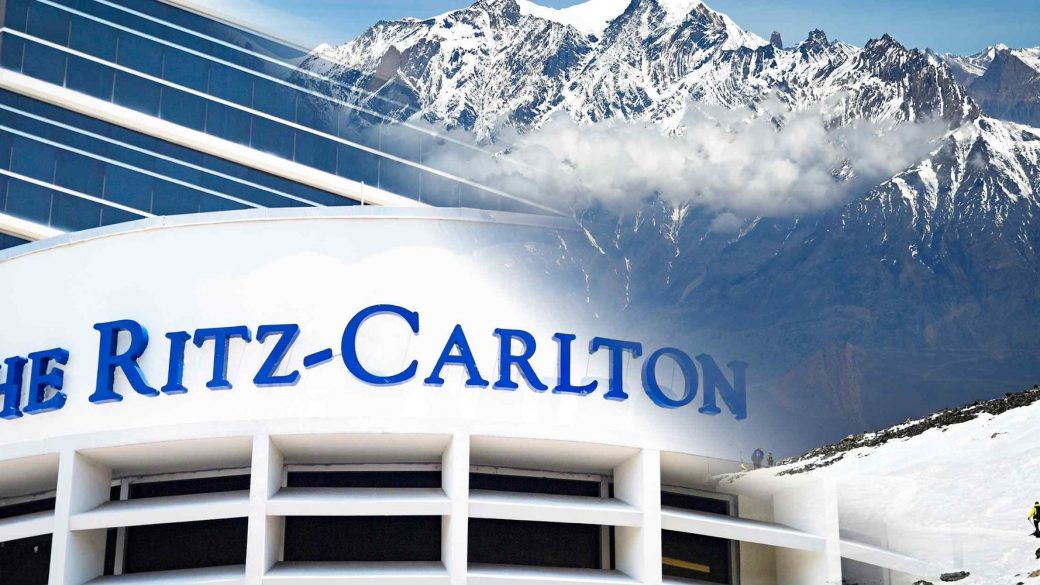
Marriott International has signed agreements to bring Ritz-Carlton and Westin hotels to Kathmandu, marking a significant expansion of the company's luxury portfolio in Nepal. The agreements with a Nepalese hospitality conglomerate represent a formal bet that the Himalayan nation's tourism market is shifting toward high-end travelers.
However, the expansion has surfaced concerns about whether Nepal can absorb additional luxury hotel capacity. While Marriott's chairman has stated that Nepal's hotel industry is ready for more luxury segments, some local experts warn of a fundamental mismatch between luxury supply and actual demand in the country.
Nepal's tourism sector has historically catered to budget travelers, with the majority of visitors drawn to trekking and mountain experiences rather than five-star accommodations. The country's annual tourist arrivals and spending patterns suggest a market still predominantly skewed toward mid-range and economy lodging.
The new Ritz-Carlton and Westin properties would arrive at a time when Nepal is simultaneously addressing infrastructure challenges, including inconsistent electricity supply and limited international connectivity outside Kathmandu. These constraints could affect the guest experience and operational efficiency of luxury properties.
Marriott's expansion reflects growing investor confidence in Nepal's tourism potential and its appeal to affluent travelers seeking off-the-beaten-path destinations. The company's decision to enter the market aligns with broader trends across Asia, where international hospitality groups are targeting emerging luxury segments in secondary cities.
Yet the oversupply risk remains real. Several newly built mid-to-luxury hotels in Kathmandu have struggled with occupancy rates below projections, according to industry observers. A rapid influx of new luxury properties could intensify competition and pressure margins across the segment, particularly if international visitor numbers do not grow as quickly as developers anticipate.
The success of these properties will likely depend on whether Nepal can increase high-spending tourist arrivals, develop supporting infrastructure, and differentiate its luxury offering. Marriott's bet suggests confidence in long-term growth, but the near-term viability of luxury expansion remains uncertain.