
PS22 Chorus Builds Audience Through Viral Covers, But the Real Value Is Community
PS22 Chorus has built a recognized cultural presence through unconventional pop covers performed by fourth and fifth graders, with performances at major venues ranging from the Academy Awards to Madison Square Garden. The program's real value lies in peer connection and community-building rather than monetization.

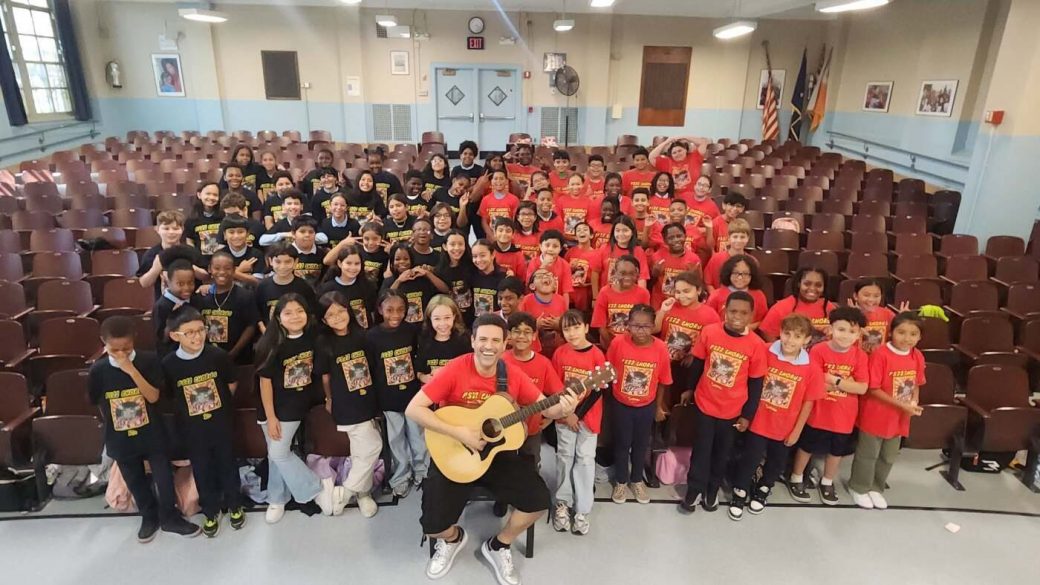
The PS22 Chorus, a public school program based in Staten Island, has turned fourth and fifth graders into a recognizable brand through unconventional performances of mainstream pop songs. Instead of traditional choir stagecraft, students sit casually, make direct eye contact with the camera, and use hand gestures to emphasize lyrics—an approach that has generated millions of views across multiple performance contexts.
The program's reach extends beyond social media metrics. PS22 has performed at the Academy Awards, President Barack Obama's second inauguration, and at Madison Square Garden alongside Stevie Nicks. The group has recorded with indie pop artist Passion Pit and hosted visits from artists including Amy Grant and Chloe x Halle. Earlier this year, students performed at the inauguration of Zohran Mamdani, New York City's first Muslim mayor, alongside actor Mandy Patinkin.
Yet the foundation of PS22's model predates its viral success by decades. Director Gregg Breinberg launched the program during the 2000-2001 school year, shortly before the September 11 attacks. In response to the immediate aftermath, Breinberg worked with students to create a musical film titled "The Conference," which combined fictional narrative with student interviews to help process grief and address backlash against Muslim students. That work was later featured in a special exhibit at the World Trade Center Museum.
The program currently enrolls approximately 90 students across its 25th cohort. According to interviews with participants, the core appeal centers on peer connection rather than performance metrics. One fifth grader explained that the weekly commitment drives school attendance; another described the experience as providing access to people "that make me happy" and "that like singing."
The structural sustainability of PS22 relies on institutional support rather than direct monetization of its audience. The program operates as a public school initiative, meaning funding derives from standard education budgets rather than video licensing or sponsorship deals tied to viewership. This model insulates the program from algorithmic churn typical of creator-dependent channels, though it also limits revenue scaling common in entertainment properties.
Breinberg frames the program's philosophy around confidence-building and social cohesion. "It's not just about singing. It's not just about learning notes and learning rhythms and learning lyrics," he told NPR. "It's really about connecting." Performance choices—including selections from Björk and The Cranberries—reflect artistic autonomy rather than algorithmic optimization for engagement, despite the incidental viral success of that approach.
The PS22 model represents a distinct category within youth performance: a publicly funded program that has accumulated cultural prestige without pursuing explicit commercialization. Whether that posture proves sustainable as institutional education funding faces ongoing pressure remains unresolved.