

Pennsylvania swing voters shrug off Trump’s $2.2 billion windfall
Pennsylvania swing voters split on Trump's $2.2 billion annual windfall, with some dismissing it as typical wealthy behavior and others viewing it as abuse of presidential power. Focus groups reveal deep cynicism about political corruption.

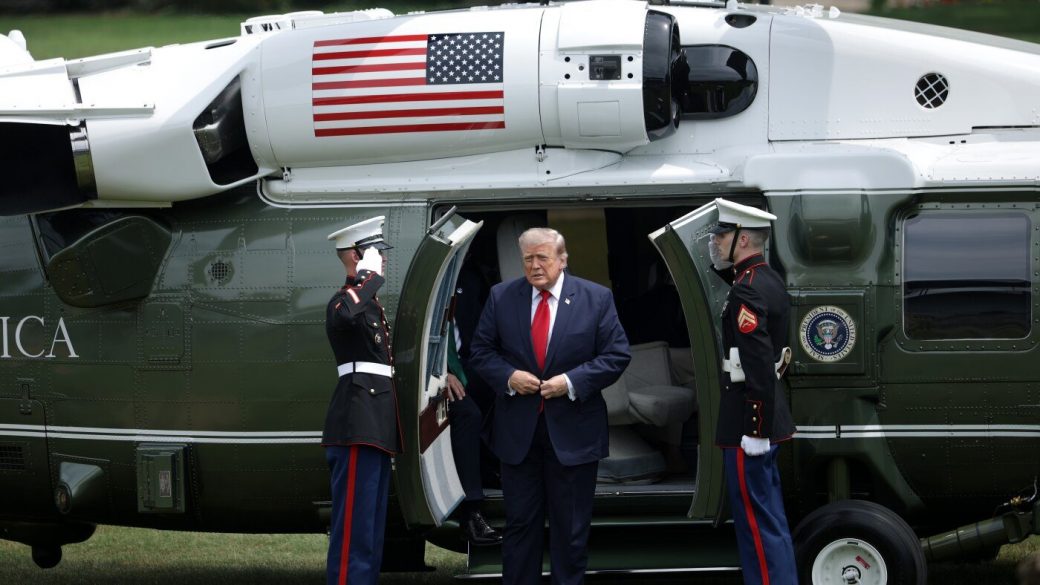
President Trump accumulated $2.2 billion in business earnings during his first year back in office, largely from cryptocurrency ventures. The scale represents an unprecedented concentration of personal wealth accumulation by a sitting U.S. president.
A focus group of 12 Pennsylvania swing voters—Biden supporters in 2020 who switched to Trump in 2024—offered mixed reactions to his financial disclosures. Half dismissed the earnings outright.
"He's a businessman. He openly admitted it. This isn't a shock to me or anybody else," one participant said. Another framed political corruption as universal: "Just about every politician is corrupt."
Rich Thau, president of messaging firm Engagious, moderated the sessions alongside market researcher Sago. He noted the voters' rationalizations tracked a consistent pattern: wealthy people leverage capital for returns, and all politicians operate in similar fashion.
"That's the voice of extremely cynical voters whose expectations for politicians are remarkably low," Thau said.
Polina, an independent voter critical of Trump's economic record, stated indifference to his personal finances. "As long as he's still trying to progress the economy, what he does personally really doesn't matter," she said.
Broader polling contradicts this sentiment. Recent surveys show most voters worry Trump is using the presidency for personal gain. Bhavana, a focus group participant, called it "abuse of power." She argued Trump leverages his presidential authority to advance business interests, which she characterized as "morally wrong."
Margaret raised a structural concern: business partners of the president might gain undue influence or favorable treatment.
Thau identified a shift in voter psychology. Skepticism about politicians has historical roots, but the current resignation—a belief that corruption "can't be fixed" and is "baked into the process"—marks a new threshold.
"What I'm hearing now is a grudging acceptance," he said. "Our expectations shouldn't be higher than they are."
Democratic strategists are banking on voter sensitivity to Trump's earnings as campaign messaging for Congressional races, betting that sufficient voters do care enough to shift control in 2026.