

Olympus charts course toward robot-assisted endoscopy to ease physician burden
Olympus plans to shift endoscopy from a bedside procedure to a robotic console model, aiming to ease physician workload. The Tokyo device maker sees robots and AI taking on larger roles in endoscopic surgery.

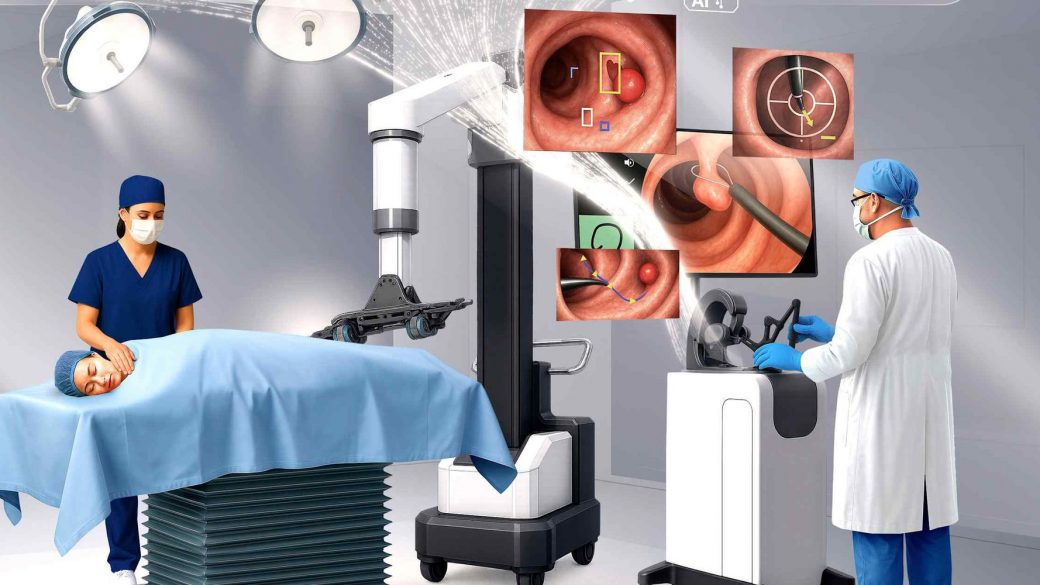
Endoscopic surgery remains largely manual work, but Olympus is planning a structural shift in how the procedure gets performed. The Tokyo-based device maker expects endoscopy to transition from a bedside procedure to one conducted from a robotic console, leveraging automation and AI to redistribute physician workload.
The move reflects a broader industry recognition that manual endoscopy is resource-intensive. Olympus sees robots and AI taking on a growing share of tasks traditionally handled by surgeons at the patient's side. By centralizing control at a console, the company aims to reduce strain on physicians while potentially improving consistency in procedure execution.
The timeline and technical specifications for Olympus's endoscopy robot remain unclear. The company has not disclosed when clinical trials might begin or what regulatory pathways it intends to pursue. Japan's medical device sector has faced scrutiny around automation adoption, particularly as physician shortages mount in the region.
The announcement positions Olympus alongside other device makers exploring robotic-assisted surgery. Unlike established players with console-based systems in orthopedics and general surgery, endoscopy automation remains less developed. Olympus's entry into this space suggests the company believes the market opportunity justifies development investment, though broader adoption will depend on clinical evidence, reimbursement decisions, and physician acceptance.
For hospitals and surgery centers in Asia-Pacific, robot-assisted endoscopy could offer operational flexibility—allowing fewer physicians to manage higher procedure volumes. However, capital costs for robotic infrastructure remain substantial, and cost-benefit analysis will vary by facility size and patient volume.