

Oil Hits One-Month High as US-Iran Tensions Escalate in Strait of Hormuz
Crude hit a one-month high on reports of escalating US-Iran activity near the Strait of Hormuz, a chokepoint carrying a large share of the world's seaborne oil.

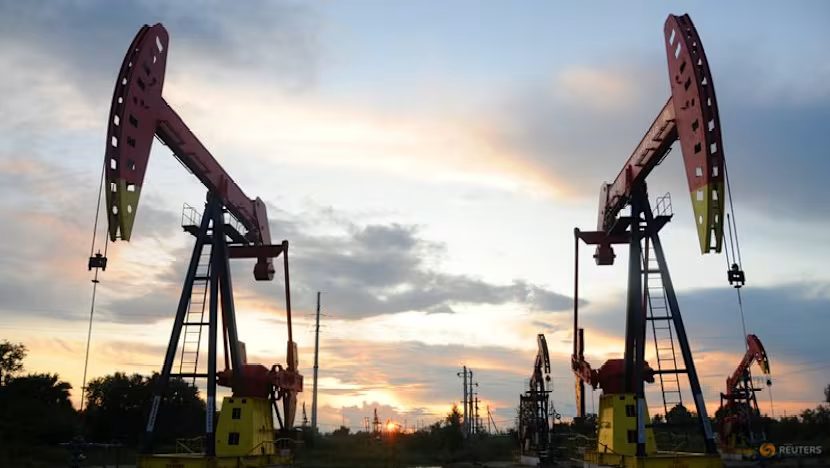
Crude oil rose to a one-month high after reports of intensifying US and Iranian military activity around the Strait of Hormuz, according to CNA. The move reflects a familiar market pattern: any threat to the waterway that funnels a large share of the world's seaborne crude tends to draw an immediate risk premium into futures pricing.
The Strait of Hormuz sits at the center of oil market risk calculus. The chokepoint, which links Gulf producers to buyers across Asia and beyond, carries a significant portion of globally traded crude and liquefied natural gas. Any disruption, or even the credible threat of one, tends to push prices higher as traders price in the possibility of constrained flows.
Why the market reacts this way
Oil pricing around Hormuz is less about barrels physically removed from the market and more about the option value of risk. When tensions rise, refiners, shipping firms, and traders adjust positioning ahead of any actual supply loss. Insurance and freight costs on tankers transiting the region typically climb, and that expense feeds through to delivered crude prices.
The reported uptick in US and Iranian attacks raises the probability that shipping through the strait could be interrupted, even briefly. Historically, spikes tied to Hormuz tensions have tended to fade when flows continue uninterrupted, but the market prices the tail risk first and reassesses later.
The Asia exposure
Asia is the most exposed region to any Hormuz disruption. China, India, Japan, and South Korea are among the largest buyers of Gulf crude, and much of that supply moves through the strait. Higher crude prices raise import bills for economies that are net energy importers, pressuring refining margins and, over time, feeding into fuel costs.
For regional refiners and utilities, the immediate concern is not outright shortage but cost and availability of alternative routing. Some Gulf producers have pipeline capacity that bypasses the strait, but that capacity is limited relative to total flows through Hormuz.
What to watch
The durability of the price move depends on whether the reported escalation translates into actual interference with tanker traffic. Absent a physical disruption, prices tend to give back part of the geopolitical premium. Traders will be watching tanker transit data, insurance rates, and any official statements from Gulf producers or regional navies for signs of sustained risk.
The specific magnitude of the price move and the details of the reported attacks were not fully available in the source material and should be verified against primary market data and official statements.