

Moomoo’s Japan struggles signal tougher scrutiny for foreign brokerages
Moomoo Securities Japan's regulatory troubles signal Japan may tighten oversight of foreign-backed brokerages entering the market through acquisitions, raising questions about the country's ability to supervise international entrants.

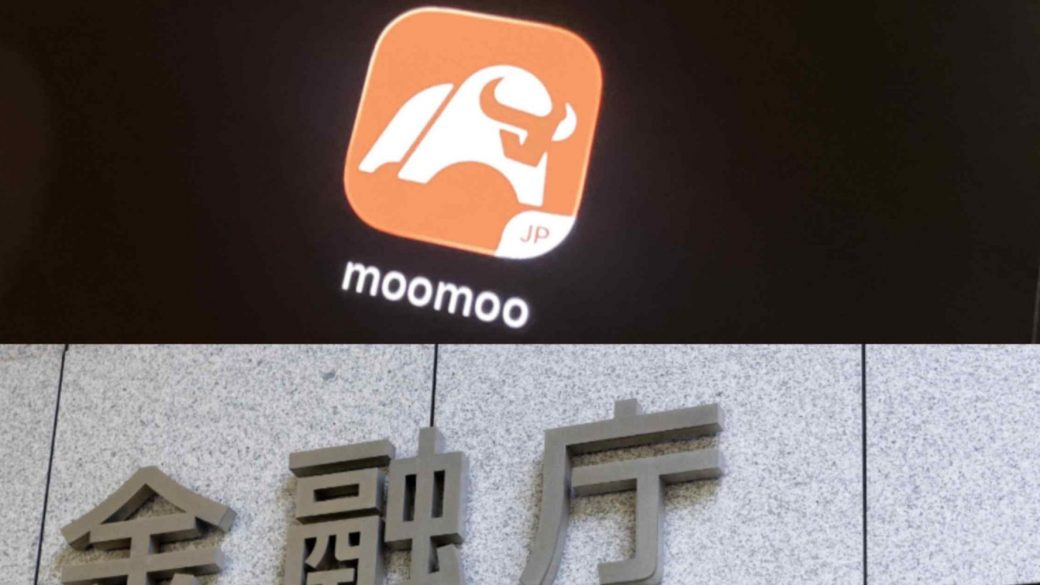
Moomoo Securities Japan faces disciplinary recommendations from Japan's Financial Services Agency, marking the first major regulatory test of how the country's licensing framework handles foreign-backed brokerage entrants.
The Chinese-backed online broker entered Japan in 2022 and has since become part of a broader pattern: foreign companies increasingly use acquisitions to break into Japan's brokerage market. Moomoo's situation now serves as a case study in whether Japan's supervisory infrastructure can effectively monitor such operations.
The enforcement action comes as Japan's regulatory environment faces pressure from a wave of foreign acquisitions in financial services. The country's approach to vetting and overseeing acquired brokerages will shape whether similar firms can successfully establish themselves in the market.
Moomoo's difficulties illustrate the tension between Japan's traditional reliance on domestic players and the reality of global capital flows. The company's disciplinary recommendations suggest that either operational or compliance issues emerged post-acquisition—common friction points when foreign firms adapt to Japan's regulatory regime.
Other foreign entrants have also made moves in Japan's brokerage space. Webull announced plans to offer commission-free trades of US stocks in Japan, signaling continued appetite from international platforms to tap the country's retail investor base. Japan's retail investors currently hold near $100 billion in funds, many waiting for clearer market conditions.
The FSA's action against Moomoo may prompt other foreign brokerages to strengthen compliance protocols before or immediately after entry. Japan's regulatory framework, already detailed, may need clarification on how it applies specifically to acquired entities versus newly licensed ones.
For Japan, the outcome remains significant: the country must balance attracting foreign capital and innovation against protecting its markets and investors from inadequately supervised operations. How the FSA handles Moomoo's case will likely set precedent for the next wave of foreign acquisitions.