

Johor Polls Test Whether Bersama, MUDA Can Chip Away at Pakatan Harapan’s Urban Base
Bersama and MUDA are contesting Johor urban seats long held by Pakatan Harapan, raising the prospect of vote-splitting among reform-minded voters.

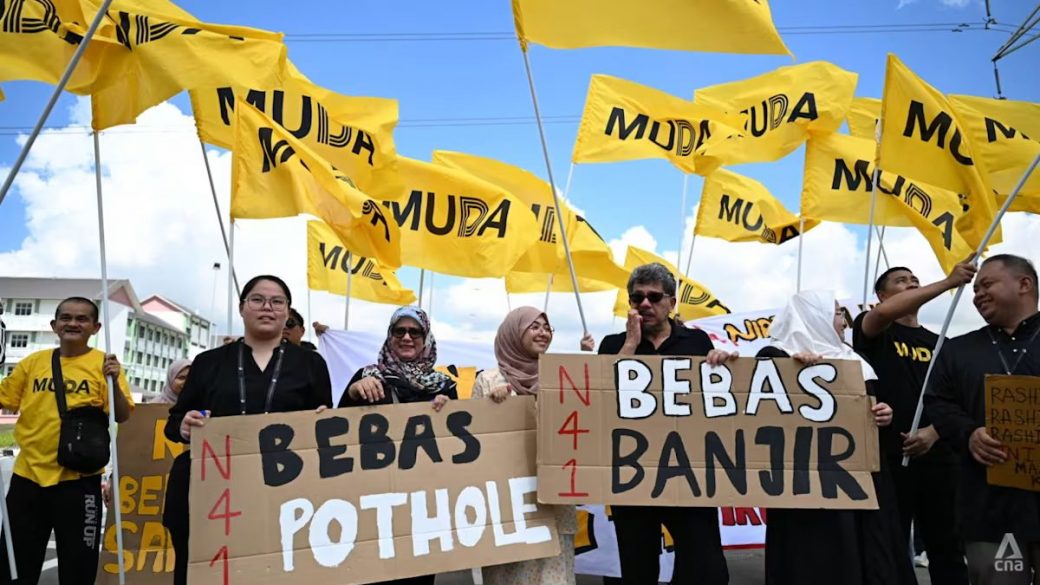
Smaller reformist parties, including Bersama and MUDA, are moving to contest urban seats in Johor that Pakatan Harapan (PH) has historically dominated, setting up a test of whether reform-minded challengers can pull voters away from the incumbent coalition or simply split its base.
The question matters because Johor's urban constituencies concentrate the younger, reform-leaning voters that PH has relied on. If multiple parties compete for the same slice of the electorate, the outcome could be less about which reformist message resonates and more about how a fragmented opposition-of-the-opposition reshapes vote math in seats that PH cannot afford to lose.
Why urban seats are the battleground
Urban voters in Johor skew younger and have been receptive to platforms built around institutional reform, transparency, and generational change. That profile is precisely what parties such as MUDA, positioned as a youth-oriented outfit, have targeted since their emergence. Bersama, another smaller reformist entrant, is angling for a similar demographic.
For PH, these are not marginal contests. Urban seats have anchored the coalition's presence in the state, and any erosion there carries weight beyond the individual constituencies at stake.
The vote-splitting risk
The central dynamic is arithmetic. In first-past-the-post contests, a challenger that fails to win outright can still change the result by drawing votes away from a party that shares its ideological space. If reformist voters divide between PH and newer entrants, the beneficiary may be a third bloc rather than any of the reform-oriented parties.
This is the scenario that PH strategists have reason to watch. A smaller party need not capture a seat to influence who does. Whether Bersama and MUDA can convert attention into actual seats, or whether they mainly redistribute existing PH support, is the open question the polls will answer.
What to watch
The key signals will be turnout among younger urban voters, the geographic spread of where smaller parties choose to field candidates, and whether any three-cornered contests emerge in PH strongholds. Concentrated challenges in a handful of urban seats would test the vote-splitting thesis directly.
For now, the contest frames a broader tension within Malaysia's reformist camp: whether newer parties expand the reform vote or fracture it. Johor offers an early read on which of those outcomes is more likely.