

Japan’s $1.3 trillion pension fund stirs bond market with buying signals
Finance Minister Satsuki Katayama's remark about potential pension fund buying shifted Japan's government bond yields sharply lower and supported the yen, exposing how concentrated market power is among Asia's largest institutional investors.

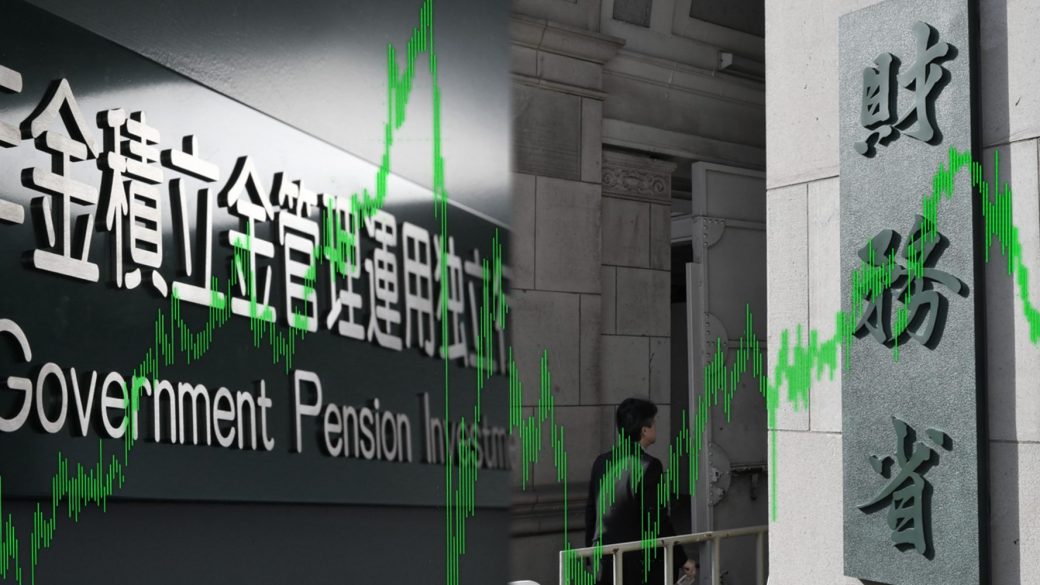
A single statement by Japan's Finance Minister Satsuki Katayama about potential pension fund buying activity in government bonds has enough weight to move yields and currency markets across Asia's second-largest economy.
The remark triggered a sharp reversal in Japan's 10-year JGB yields, which had climbed as fiscal concerns mounted over the government's spending plans. The yield pullback also supported the yen, reflecting how sensitive bond markets have become to signals about the Government Pension Investment Fund (GPIF) — Asia's largest pension manager — entering or exiting the JGB market.
The episode exposes a structural fragility in Japanese government bond pricing. With fiscal deficits widening and long-term yields under upward pressure from underlying economic conditions, a mere speculation about one major institutional buyer's intentions was enough to reverse market direction significantly. This raises concerns among market participants about price discovery and whether yields reflect genuine economic conditions or are being distorted by positioning around a single actor.
The timing is significant. Japan's policymakers have emphasized mass government spending to support growth, but this fiscal stance has intensified debate about sustainability. Long-term yields had been rising as investors reassessed the risks of funding larger deficits. Yet the Katayama comment — without any formal policy announcement — demonstrated that investor focus can shift abruptly when a potential source of demand enters the narrative.
Central bank independence also sits at the center of these moves. The Bank of Japan's recent pullback from aggressive JGB purchases has left a vacuum in the primary buyer base. GPIF, with assets exceeding $1.3 trillion, represents the next institutional source of demand that markets watch closely. Any signal about its appetite for JGBs carries outsized influence on pricing.
Market participants have also flagged the risk of policy confusion. Finance ministry comments about pension fund behavior, even speculative ones, should not function as a substitute for transparent monetary and fiscal coordination. If pension fund purchases become a tool to manage market sentiment about fiscal sustainability, the signal-to-noise ratio in bond markets deteriorates.
The yen's movement alongside yields underscores the interconnection. A weaker yen has been a persistent concern for Japanese policymakers, as it raises import costs and inflation pressures. When JGB yields fall, the interest-rate differential between Japanese and foreign bonds narrows, reducing the appeal of yen-denominated assets. The finance minister's pension fund remark, by pulling yields lower, naturally supported the yen by increasing its relative attractiveness.
For investors tracking Japanese financial markets, the lesson is clear: GPIF positioning matters more than most fundamentals in determining short-term price direction. This concentration of influence reflects the reality that domestic institutional investors — particularly public pension funds — remain the marginal price setter in a JGB market where foreign participation has plateaued and the BOJ's role has shrunk.