

Japan extracts rare earths from Pacific seabed in first deep-sea drilling test
Japan recovered rare-earth elements from a Pacific seabed drilling test near a remote island, signaling progress in efforts to reduce reliance on China-dominated supply chains critical to semiconductors and defense.

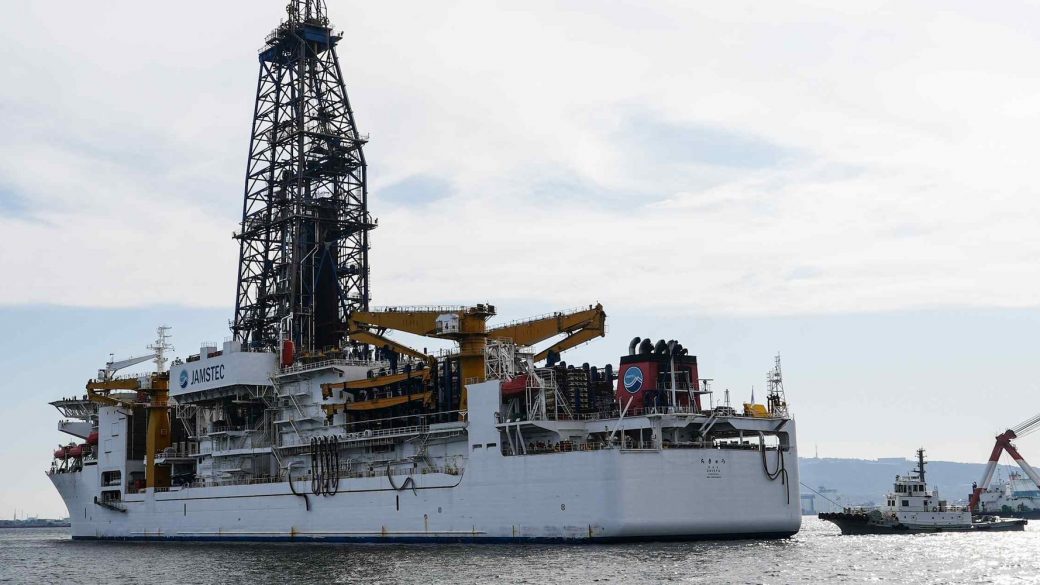
Japan has recovered rare-earth elements from a deep-sea drilling operation near Minamitori-shima, a remote Pacific island, according to reporting from July 2026. The test represents an early step toward reducing dependence on China-dominated rare-earth supply chains that Japan relies on for semiconductors, electric vehicles, and defense applications.
The deep-sea recovery method targets materials in Japan's exclusive economic zone, avoiding the geopolitical risks that come with overseas sourcing. China's tightening export controls on rare earths have already pushed costs up for Japanese manufacturers—a recent survey found rare-earth expenses surged over 20% for Japanese firms—making alternative supply routes a strategic priority.
Japan's effort extends beyond ocean-floor extraction. The country is simultaneously exploring rare-earth mining opportunities in Greenland and working to shift its procurement away from single-source dependency. These parallel initiatives suggest Tokyo views supply-chain resilience as a multi-pronged challenge rather than solvable through one solution.
The drilling test's success remains confined to proof-of-concept; moving from laboratory-scale recovery to commercially viable extraction at scale presents distinct engineering and cost hurdles. The broader context—rising China-Japan tensions and Beijing's demonstrated willingness to restrict exports to specific Japanese companies including Mitsubishi, Hitachi, and Komatsu units—underscores why Tokyo prioritizes this work.
Rare earths are essential inputs in modern manufacturing. Securing alternate sources reduces Japan's vulnerability to supply disruptions and export restrictions that competitors might exploit during geopolitical friction. Whether Japan's seabed and Greenland efforts yield commercially meaningful volumes remains to be seen.