
India’s Strategic Patience in the Indo-Pacific Is Beginning to Yield Results
India's measured approach to Indo-Pacific engagement is proving effective, positioning New Delhi as a stabilizing force through deepened partnerships and economic involvement rather than aggressive competition.

India's long-term positioning in the Indo-Pacific region is delivering tangible outcomes, as New Delhi's strategy of balanced engagement proves effective amid intensifying great power competition.
Unlike powers pursuing aggressive expansion or rapid military buildup, India has pursued a deliberate approach centered on deepening partnerships with regional nations while maintaining strategic autonomy. This posture reflects New Delhi's conviction that sustained engagement, rather than confrontation, serves its interests and those of the broader region.
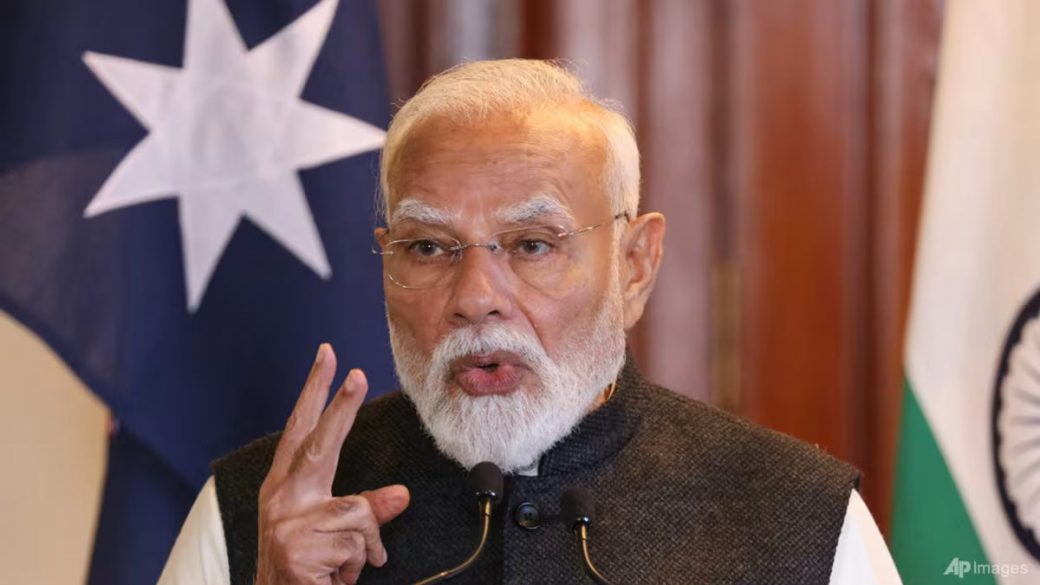
The strategy rests on several pillars. First, India has strengthened bilateral relationships with key Indo-Pacific nations including Australia, Indonesia, Japan, and Vietnam through defense cooperation, trade agreements, and diplomatic coordination. These partnerships provide India with influence without the friction that comes with zero-sum competition.
Second, India has positioned itself as a voice for smaller and medium-sized powers in regional forums. Rather than aligning with any single bloc, New Delhi has cultivated relationships across the region, allowing it to mediate disputes and propose solutions that reflect diverse interests. This middle-power approach resonates with nations wary of domination by larger powers.
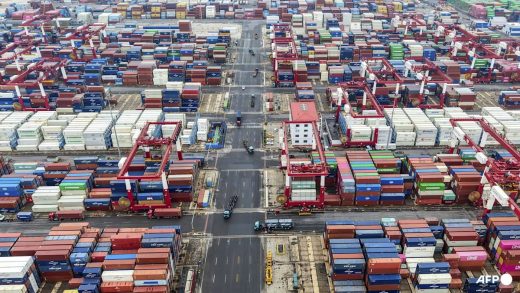
Third, India's economic engagement has accelerated. Infrastructure investments, technology partnerships, and supply chain diversification initiatives have made India an increasingly attractive partner for regional economies seeking alternatives to existing arrangements. This economic dimension reinforces the political and strategic foundations of its relationships.
The payoff is measurable. India has gained seats at key regional forums, influenced outcomes in multilateral institutions, and established itself as indispensable to any regional consensus. Countries that might have marginalized India a decade ago now actively seek its participation in solving regional challenges.
However, this approach carries implicit risks. India's reluctance to make explicit strategic commitments can be read as hedging rather than commitment by some partners. The strategy also assumes that sustained patience will continue to yield results even as regional tensions periodically spike, a calculation that may not always hold.
The Indo-Pacific remains fluid. China's assertiveness, U.S. strategic attention, and regional aspirations create pressure points that could test India's balancing act. Yet New Delhi's track record suggests it understands that in a multipolar region, influence accrues to those who can work with multiple partners without becoming dependent on any single relationship.
India's strategy reflects a broader truth about contemporary geopolitics in Asia: sustained engagement, credible partnerships, and economic weight matter as much as military capability. For countries of India's stature and strategic position, this approach offers a path to meaningful influence without the costs of permanent alignment or confrontation.