

IBM’s mainframe business collapsed 42% last quarter, but the company insists AI isn’t the culprit
IBM's mainframe revenue plummeted 42%, prompting its largest single-day stock drop ever. The company blamed customer budget shifts toward expensive AI infrastructure, not declining demand for legacy systems.

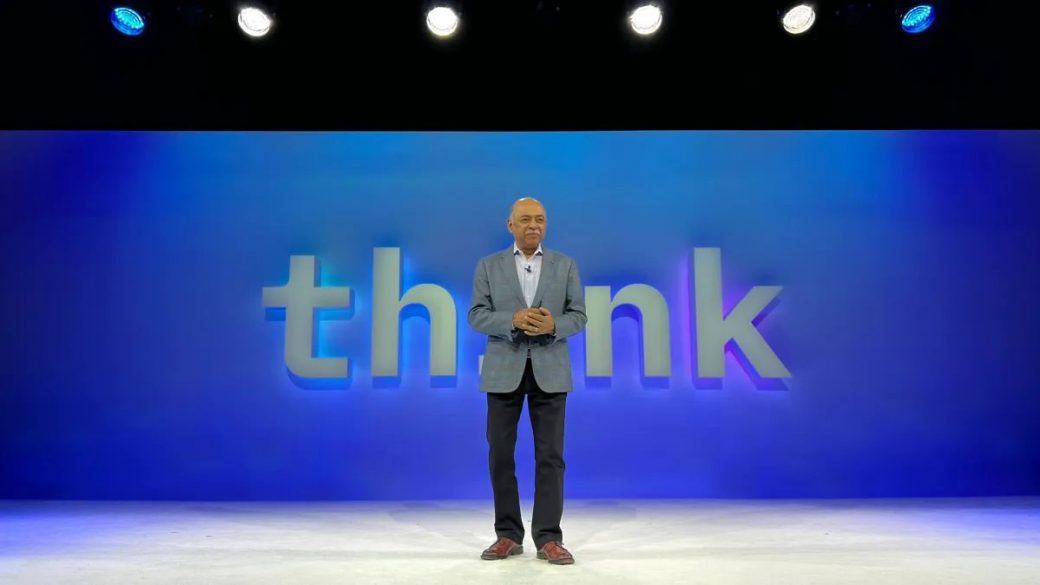
IBM reported quarterly earnings on Wednesday that fell sharply short of Wall Street expectations, prompting the company to pre-warn investors days earlier. The 115-year-old technology giant still generated $17.2 billion in revenue and $2.2 billion in net earnings for the quarter, but the results marked a dramatic reversal from the AI data center boom that had buoyed its stock under CEO Arvind Krishna's six-year tenure.
The damage centered on IBM's mainframe business, which declined 42% year-over-year. That collapse triggered an immediate market reaction: IBM's stock fell 25% in a single day, the largest drop in company history, and the company lowered full-year growth forecasts.
The drop carries outsized consequences because mainframes remain IBM's most profitable business. For every $1 of mainframe hardware IBM sells, the company generates $3 in software revenue from maintenance contracts and related services, according to CFO Jim Kavanaugh. A 42% hardware decline therefore signals potential erosion across IBM's software revenue streams.
However, both Krishna and Kavanaugh pushed back on suggestions that the mainframe era is finally ending after decades of predictions about its demise. During the earnings call, they characterized the quarter as a temporary blip caused by customer budget reallocation, not a structural shift away from legacy systems.
Their explanation: "tens" of customers that were scheduled to purchase new mainframes during the quarter instead deferred those purchases. The reason, Krishna said, was not technical obsolescence but economics. Customers faced "astronomically high cost increases of 15% to 30% for data center gear and PCs" driven by component shortages tied to the AI build-out boom. When confronted with those price spikes, they redirected mainframe budgets toward the more expensive AI infrastructure they needed immediately.
"When they were faced with that issue, then they decided to move budget to those areas where they were having that extreme price," Krishna explained. Other hardware vendors including Dell, HP, and Apple have cited similar cost pressures from AI-driven demand for memory and chips.
Krishna promised that these customers will eventually return to purchase mainframes alongside new software contracts. He noted that some customers have already done so during the current quarter. "We see no evidence of clients moving off the mainframe," he said.
The claim rests on a critical assumption: that customers delayed purchases due to temporary cash flow constraints, not because AI infrastructure has become a superior alternative. IBM provided no data on customer intent or contract pipelines to substantiate the distinction. The mainframe has been pronounced dead repeatedly over the past three decades, yet it persists as a revenue engine. Whether this quarter represents another false alarm or the beginning of genuine displacement remains unclear.