

Hanwha Ocean Sold About $2 Billion in Dollar-Won Forwards, Source Says
Hanwha Ocean sold about $2 billion in the dollar-won forward market, a source told CNA, adding to won-supportive exporter hedging flows.

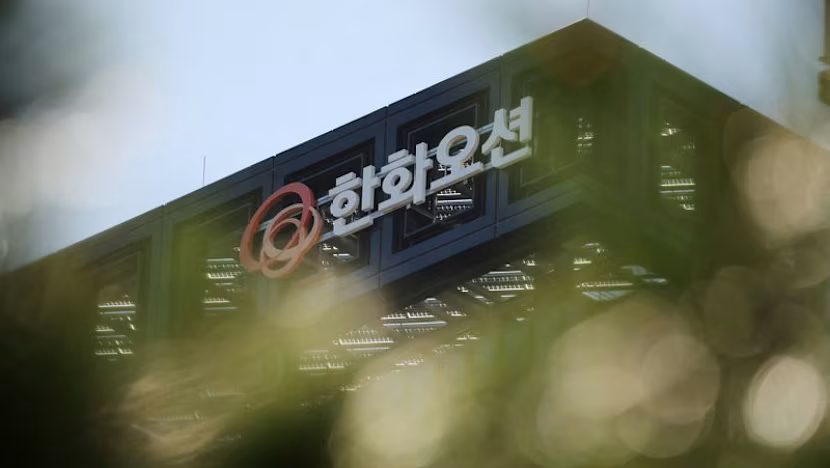
South Korean shipbuilder Hanwha Ocean sold roughly $2 billion in the dollar-won forward market, according to a source cited by Channel NewsAsia. The company has not publicly confirmed the transaction, and the figure is attributed to a single unnamed source.
Forward sales of this scale are a standard hedging mechanism for exporters with large dollar-denominated receivables. Shipbuilders in particular carry long order books priced in dollars, which exposes them to currency risk over the multi-year period between contract signing and delivery. Selling dollars forward locks in a conversion rate and insulates future won-denominated revenue from swings in the exchange rate.
The direction of the flow matters for the broader market. When an exporter sells dollars forward, the transaction adds to dollar supply against the won, a dynamic that tends to support the Korean currency at the margin. A single $2 billion clip is sizeable enough to be noticed by traders, though its net effect depends on offsetting flows and central bank activity on any given session.
Why the timing draws attention
Korean shipbuilders have been rebuilding order backlogs as global demand for new vessels, including LNG carriers and defense-related builds, has recovered. Larger backlogs mean larger dollar receivables to hedge, which in turn increases the volume of forward selling that firms route through the market. Hanwha Ocean, the former Daewoo Shipbuilding & Marine Engineering acquired by the Hanwha Group, sits among the exporters most exposed to this pattern.
For currency desks, exporter hedging flows are a recurring source of won-supportive pressure that can blunt periods of dollar strength. The reported Hanwha Ocean transaction fits that template rather than signaling any change in strategy.
What is unconfirmed
The key caveat is attribution. The $2 billion figure and the fact of the sale rest on a single source, and Hanwha Ocean has not commented publicly. The exact timing, the tenor of the forwards, and the counterparties are not disclosed. Readers should treat the number as an unverified estimate until it appears in a company filing or an official statement.
For the region, the episode is a reminder that Asian exporter hedging remains a meaningful, if often unobserved, driver of local currency flows, distinct from portfolio and central bank activity that typically dominate the headlines.