
Greylock Caps New Fund at $1.5B, Betting Small Beats Big in Venture
Greylock closed an $1.5B fund it says could have been several times larger, choosing restraint to keep its portfolio to roughly 25 companies.

Greylock Ventures has closed an $1.5 billion 18th fund, a figure that is 50% larger than its $1 billion 2023 vehicle but deliberately smaller than what the firm says it could have collected from investors.
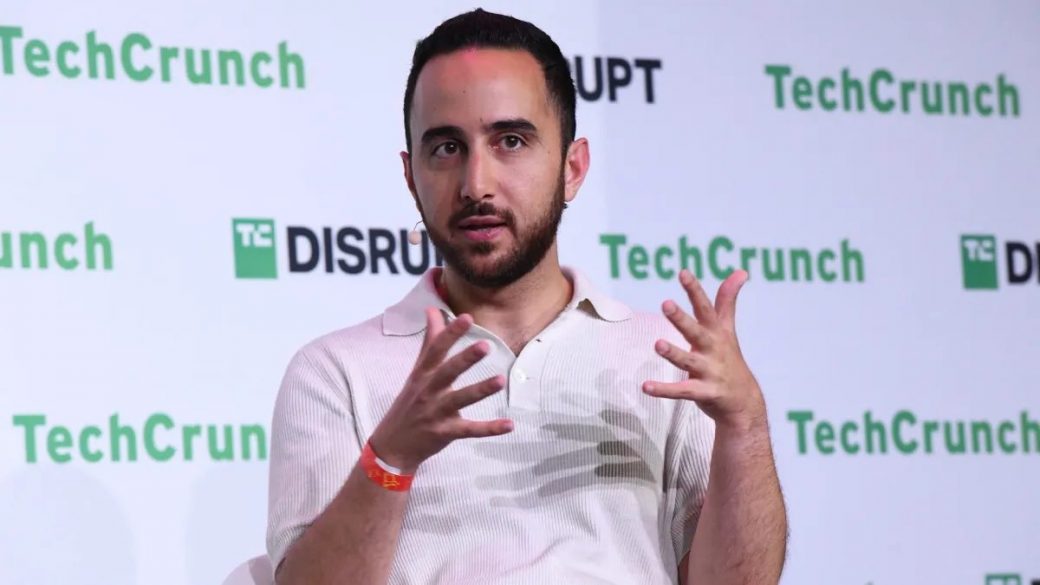
The Silicon Valley firm announced the raise on Tuesday. Greylock partner Saam Motamedi told TechCrunch the partnership could have easily raised a "multiple" of that amount, a claim that positions the fund as a rejection of the industry trend toward ever-larger vehicles rather than a limit imposed by demand.
The case for staying small
The logic Greylock offers is straightforward: the firm believes it can only deliver hands-on support to founders by keeping the number of companies it backs low. Its 10 partners each make one or two new investments a year, a cadence Motamedi said should produce roughly 25 portfolio companies from the new fund.
That model depends on the kind of introductions Greylock says it provided to Baseten, an AI infrastructure startup now valued at $13 billion. Greylock first backed it at its Series A in 2022 and connected it to engineers and potential customers. Whether that level of involvement scales with a fund several times larger is precisely the question Greylock appears to be answering by declining to test it.
An early-stage identity, with exceptions
Like its predecessors, the 18th fund will concentrate on incubating companies at the earliest stages and leading seed and Series A rounds. Greylock has a long record here. Palo Alto Networks launched inside the firm's offices 21 years ago, and Greylock incubated email security startup Abnormal in 2018, a company last valued at $5.1 billion.
The firm does not confine itself to early deals. Its 17th fund included three growth-stage bets: Anthropic, Revolut, and Wiz. Greylock made its first investment in Anthropic during the AI company's Series F at a $183 billion valuation, which Motamedi described as the largest investment in the firm's history.
Motamedi estimates about 15% of the new fund will go to later-stage startups, while maintaining that Greylock remains fundamentally an early-stage investor. He pointed to the firm's Monday pipeline meetings, where the agenda lists people's names more often than company names.
"We're getting to know people even before they start a company. It's really a bet on the person," Motamedi said.
Why it matters
The move runs against a pattern in which top-tier firms have raised progressively bigger funds, which forces them to write larger checks and chase later-stage or growth deals to deploy the capital. By capping the fund, Greylock is signaling it wants to protect the early-stage strategy that built its reputation rather than optimize for management fees, which scale with fund size.
For founders in the seed and Series A range, a firm with fewer portfolio companies and a stated preference for deep involvement is a specific value proposition. The trade-off is scarcity: with only 25 or so slots per fund, Greylock's capital reaches a narrow set of companies. The firm is wagering that concentration, not volume, is where its returns come from.