

FIFA’s World Cup Final Halftime Show Drew Global Lineup, Backed $100M Charity Initiative
FIFA premiered its first World Cup final halftime show on July 19, 2026, starring Madonna, BTS, Shakira, and Coldplay. The 11-minute performance supported a $100 million fundraising drive for the FIFA Global Citizen Education Fund.

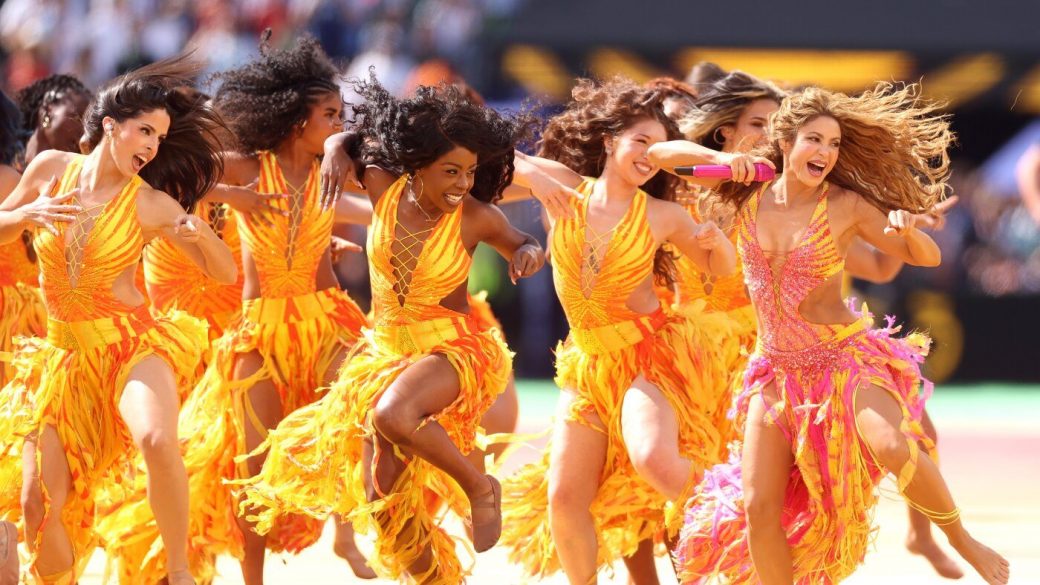
FIFA orchestrated its first-ever World Cup final halftime show on July 19, 2026, assembling performers across six continents in an 11-minute production that doubled as a promotional vehicle for the FIFA Global Citizen Education Fund.
The lineup spanned North America (Madonna, Justin Bieber), Asia (BTS), South America (Shakira, conductor Gustavo Dudamel leading orchestras from New York and Venezuela), Africa (Burna Boy), Europe (Coldplay's Chris Martin), and Australia (Emmanuel Kelly). The show also featured the Muppets, the Ghetto Kids dance troupe from Uganda, and children from Staten Island's PS22 Chorus.
Madonna opened the performance, riding in a dune buggy through a roller-skate stage setup, accompanied by Brazilian football legends Ronaldo and Ronaldinho. The production wove in World Cup cultural moments—references to the viral Norwegian row, the Congolese fan Michel Nkuka Mboladinga—alongside non-soccer nostalgia, including cameos from actor Jason Sudeikis and coach Brendan Hunt introducing Bieber with a "Beliebe" sign.
The show's messaging centered on unity and education. As Martin sang with PS22 students against a backdrop of rainbow-colored "LOVE" imagery, FIFA directed viewers to the charity fund's website, which aims to raise $100 million to expand education and soccer access for children globally. According to the fund's stated mission, the goal is to "use the power of love to defeat poverty and defend the planet."
The timing carried political undertones. The final match, held at New York/New Jersey Stadium in East Rutherford, was attended by President Trump and Melania Trump. The show's emphasis on global unity and inclusive messaging contrasted with broader political sentiment, as observers noted the visuals held different weight given the president's public positions on international cooperation and diversity.