

Central Banks Bought 244 Tonnes of Gold in Q1 as Sales Picked Up Too
Central banks bought 244 tonnes of gold in Q1 2026, up 17% q/q, as Poland and Uzbekistan led purchases and Turkey, Russia and SOFAZ trimmed holdings.

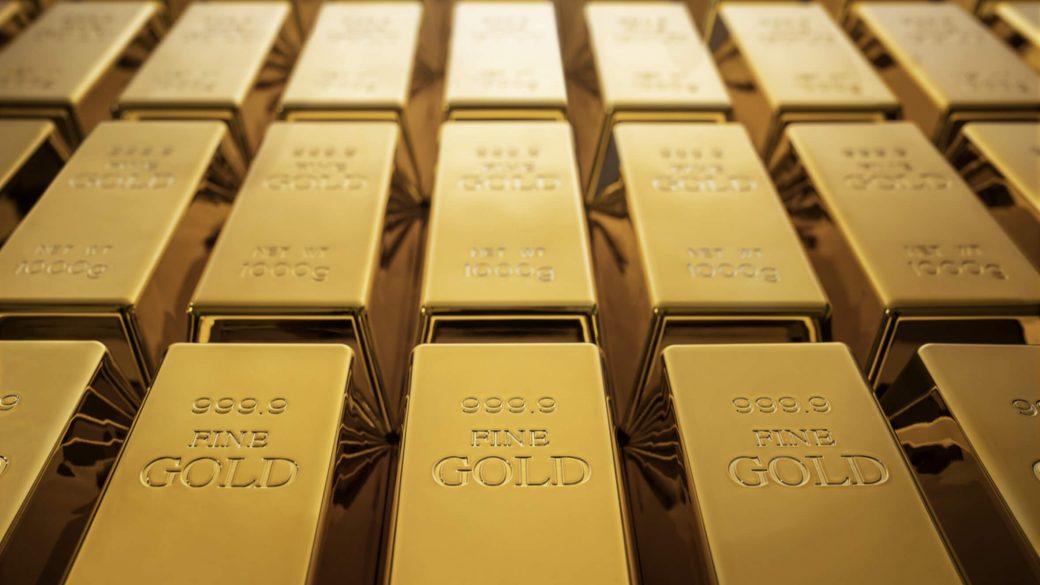
Central banks added an estimated 244 tonnes of gold to their reserves in the first quarter of 2026, according to the World Gold Council. That figure is up 17% from the previous quarter and above the five-year average.
The buying held firm even as market volatility rose. Conflict involving Iran, the United States and Israel widened an already tense geoeconomic backdrop and pushed gold prices around. The World Gold Council reads the continued accumulation as evidence that central banks treat gold as a strategic store of value, not a tactical trade.
What sets this quarter apart is that sales rose alongside the buying.
Who bought, and how much
The National Bank of Poland was again the largest buyer. It added 31 tonnes to reach 582 tonnes. Governor Adam Glapiński has floated the idea of selling some gold to fund defence spending, according to Bloomberg, but the bank still appears focused on a 700-tonne target.
The Central Bank of Uzbekistan added 25 tonnes, down from 29 tonnes in the prior quarter. That lifts its holdings to 416 tonnes, which the World Gold Council says equals 87% of the bank's total reserves.
The People's Bank of China added 7 tonnes, more than double its 3-tonne purchase in the fourth quarter of 2025. Its reserves now stand at 2,313 tonnes, or 9% of total reserves.
Smaller buyers filled out the list. Kazakhstan added 12 tonnes, the Czech National Bank 5 tonnes, and Bank Negara Malaysia 5 tonnes. Bank Indonesia, the National Bank of Cambodia, Guatemala, Serbia and the Central Bank of the UAE each added between 1 and 2 tonnes.
The Council also flagged elevated unreported buying, a pattern it has tracked since 2022. That gap between estimated demand and disclosed purchases points to activity that has not yet surfaced in official figures.
The selling that spooked the market
Reports of large sales by Turkey and Russia raised concern early in the quarter about a broader wave of disposals. The data tells a more measured story.
Central banks and sovereign wealth funds reported 115 tonnes of sales in Q1, high by recent standards but offset by sustained buying.
Turkey was the largest seller. Its official holdings fell roughly 70 tonnes, about 10% of the total, with most of the move in March. The central bank also used 80 tonnes through gold swaps that month to raise foreign currency and liquidity.
Governor Fatih Karahan described much of this as temporary. "A significant part of these transactions are in the nature of gold-currency swap futures," he said, adding that the gold returns to reserves at maturity.
The World Gold Council notes Turkey's holdings stabilised near 535 tonnes in April. It points to 2020 and 2023, when Turkey similarly tapped its gold during periods of stress, as precedent for reading these as tactical moves.
The State Oil Fund of Azerbaijan, known as SOFAZ, sold 22 tonnes, partly reversing 53 tonnes it bought in 2025. That leaves it with 178 tonnes. The Central Bank of Russia also sold 22 tonnes, and Kyrgyzstan trimmed 1 tonne.
Bulgaria transferred 2 tonnes to the European Central Bank in January as part of its adoption of the euro, a transaction tied to membership rather than reserve strategy.
A note on the numbers
Central banks often report activity with a delay. The quarterly figures include estimates, and purchases or sales sometimes appear after publication. The World Gold Council captured reported data through 23 April 2026 and cautions that volatile prices and geopolitical uncertainty raise the odds of later revisions.
The broader signal points one way. The Council expects central banks to keep contributing meaningfully to gold demand through 2026, with reserve diversification still a driver and geoeconomic uncertainty unlikely to fade soon.
For reserve managers across Asia, the pattern matters. The PBoC's steady additions, Uzbekistan's heavy weighting toward gold, and continued buying from Malaysia, Indonesia and Cambodia show the region remains a consistent source of official demand even as Western attention focuses on the headline sales.