
Bollywood Trailer Revives Fight Over Pellet Guns Used Against Kashmir Protesters
A Bollywood trailer for "Chauhaan" calls pellet guns 'limited damage,' reopening a decade-old dispute over their use against Kashmir protesters.


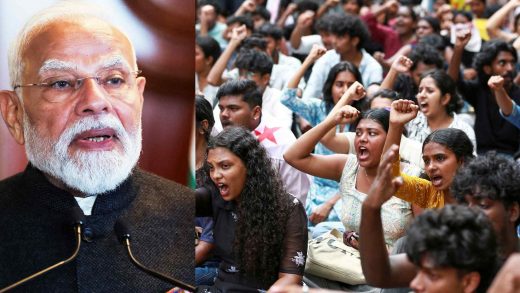
A trailer for the upcoming Bollywood action film "Chauhaan" has revived a long-running argument over Indian security forces' use of pellet-firing shotguns against protesters, after the teaser characterized the weapons as causing "limited damage." The description clashes with reports that thousands of people in India-administered Kashmir have suffered pellet-related wounds over the past decade, according to Nikkei Asia.
In the trailer, an Indian army officer standing before a crowd of protesters says, "The fault wasn't ours," and defends the shotguns as a restrained crowd-control tool. The scene, released on JioStudios' YouTube channel, drew immediate pushback from critics who called the portrayal "horrible."
What the dispute is about
Pellet-firing shotguns have been part of the Indian security response to street protests in the region for roughly ten years. The weapons fire clusters of small metal pellets that scatter on discharge, which is why authorities have described them as a less-lethal alternative to live rounds. Rights groups and medical workers in Kashmir have documented a different pattern: pellets striking the eyes and face, causing partial or permanent blindness and other lasting injuries.
The film's framing, that the damage is "limited," is the specific point critics reject. Nikkei Asia reported that the debate reignited by the trailer centers on that gap between the on-screen justification and the documented injury toll.
Why a film teaser matters
Entertainment products carry political weight when they touch on a contested security narrative, and "Chauhaan" arrives with a framing that aligns with the official position on pellet guns. For a Bollywood release backed by a major studio distribution channel, the reach is substantial: trailers on platforms like YouTube circulate to audiences far larger than any policy document, and they shape how a general viewer understands a security tactic.
That is the core of the objection. Critics argue that a mass-market film restating the "limited damage" line lends a contested claim the polish of a produced narrative, without the counter-evidence that has accumulated over a decade of reporting.
What remains unverified
The specific casualty figures tied to pellet guns in Kashmir are contested and vary by source, and Nikkei Asia's report references "thousands" of reported injuries without a single agreed total. The film itself has not been released in full, so how the completed work treats the subject beyond the trailer is not yet known. DTW could not independently confirm injury counts or the studio's response to the criticism.
What is clear is that a marketing clip, rather than a policy shift or a court ruling, is what pulled the pellet-gun question back into public argument.