

Bank of Japan Lifts Policy Rate to 1%, Its Highest Since 1995
The Bank of Japan raised its policy rate to 1%, the highest since 1995, in a 7-1 vote that signals a shift for Asian capital flows.

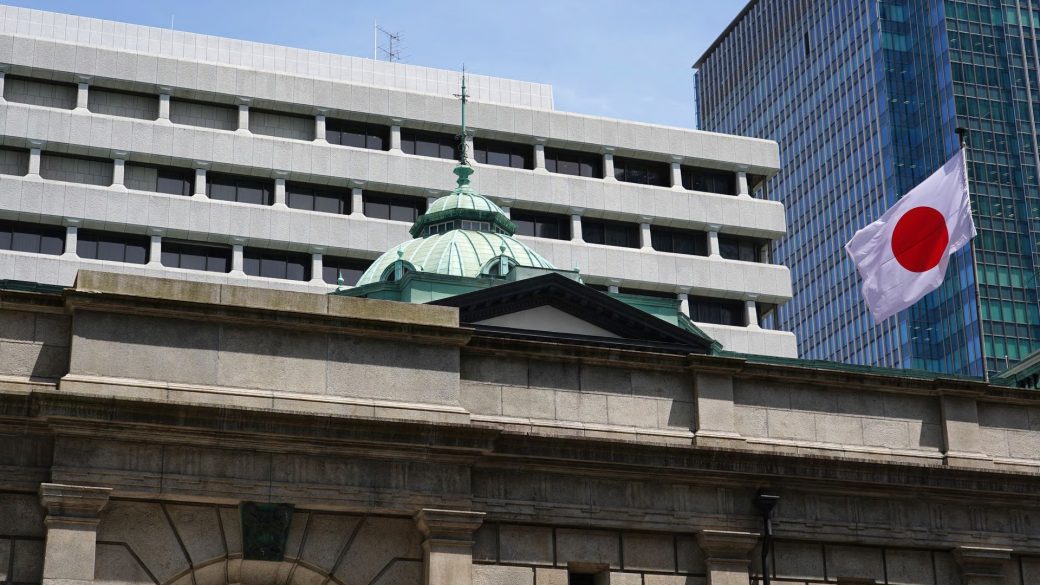
The Bank of Japan raised its policy rate to 1% on Tuesday, the highest level in 31 years, according to The Wall Street Journal. The move lifts borrowing costs from 0.75% and marks the country's highest rate since 1995.
The decision passed by a 7-1 vote. It ends a holding pattern that had run since last December, when the board chose to wait rather than tighten further.
The BOJ framed the hike as a response to inflation risks. The WSJ reported that a spike in energy costs, tied to the war with Iran, sat at the center of the board's thinking. Higher energy prices feed through to broader consumer costs, and the bank moved to anchor expectations before that pressure spread.
Why the timing matters
For most of the past three decades, Japan held rates near zero or below. The central bank fought deflation, not inflation, and cheap money became a structural feature of the economy. A 1% policy rate would have looked ordinary in many economies. In Japan, it signals a genuine shift in stance.
The single dissenting vote points to a board that is not fully aligned. That split has appeared before. The WSJ noted earlier coverage of a widening divide among board members over how fast to normalize policy.
The bank has also signaled that it sees the natural rate gradually rising, which leaves room for further increases. That framing matters more than any single hike. It tells markets the direction of travel rather than just the current setting.
What it means for Asian capital flows
Japan's ultra-low rates shaped capital flows across the region for years. Investors borrowed yen cheaply and parked the money in higher-yielding assets elsewhere, a strategy known as the carry trade. When Japanese rates rise, that math changes.
A higher policy rate narrows the gap between yen funding costs and returns abroad. That can pull capital back toward Japan and put pressure on currencies and asset prices across Asia-Pacific. The effect depends on how far the BOJ goes, and how fast.
For now, the bank has moved in measured steps. The jump from 0.75% to 1% is modest in absolute terms. But the symbolic weight is large, because it confirms that the deflation era playbook no longer applies.
Regional central banks watch these moves closely. A stronger yen and tighter Japanese policy can ease some of the pressure that a strong U.S. dollar places on Asian currencies. The interplay between the BOJ, the Federal Reserve, and regional banks will shape where money flows over the coming quarters.
The road ahead
The key question is pace. The BOJ's view that the natural rate is climbing suggests this hike may not be the last. But the board's split vote shows there is no consensus on speed.
Energy prices remain the immediate driver. If the conflict with Iran keeps costs elevated, the case for further tightening strengthens. If energy prices ease, the bank may pause again, as it did for much of the past year.
The WSJ also flagged upcoming U.S. inflation data as a factor for global rates, including the prospect of a Fed rate hike. Japan does not set policy in isolation, and the direction of U.S. rates will influence how much room the BOJ has to move.
For investors and policymakers across the region, the message is straightforward. The cheapest funding source in Asia has grown more expensive, and the trend points up rather than down.