
Bangkok Bar Fire Kills 27; Officials Point to Blocked Emergency Exits
A Bangkok bar fire killed 27 people, and Thai officials say blocked emergency exits worsened the toll, raising questions over fire safety enforcement.

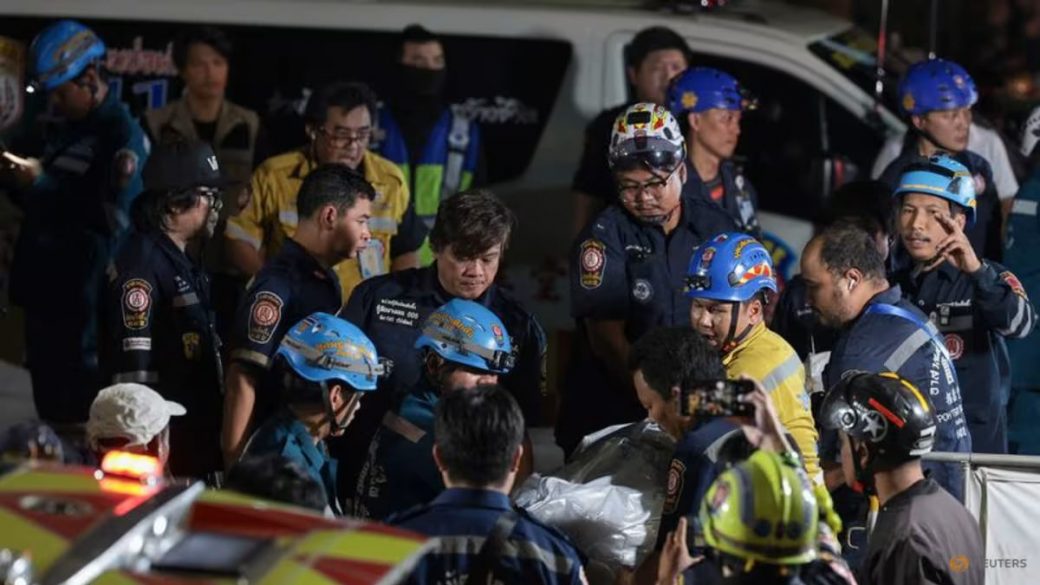
A fire at a bar in Bangkok killed 27 people, with Thai officials attributing part of the death toll to emergency exits that were blocked, according to Channel NewsAsia.
The blaze struck a nightlife venue in the Thai capital. CNA reported that officials cited obstructed exits as a factor in the number of deaths, a detail that shifts attention from the fire itself to how the building was managed and whether safety rules were followed.
Blocked or inaccessible exits are a recurring theme in fatal fires at entertainment venues across Southeast Asia. When escape routes are locked, chained, or crowded with stored goods, occupants have fewer options once smoke and flames spread, and the time available to evacuate narrows sharply.
What officials have said so far
The central claim from Thai authorities, as reported by CNA, is that emergency exits at the venue were obstructed. That assessment, if confirmed by a full investigation, points to a compliance failure rather than solely an accident. Details on the cause of ignition, the exact location, and the timeline of the response were not available in the material reviewed for this report.
The death toll of 27 makes this one of the more serious venue fires the city has recorded. Investigators typically examine the ignition source, the building's fire suppression systems, occupancy at the time, and whether required exits were usable when the fire broke out.
Why enforcement is the harder problem
Thailand, like several of its neighbors, has building and fire codes that require clear, accessible exits for public venues. The gap tends to sit in enforcement. Bars and clubs often operate in converted buildings, add furnishings and decor that raise fire loads, and treat exit compliance as a paperwork exercise rather than an operational one.
For the wider region, the incident is a reminder that fire safety outcomes depend less on the codes on the books and more on routine inspection and consequences for non-compliance. Venues that pass an initial permit check can drift out of compliance over time without follow-up.
What to watch next
The official investigation will determine the cause and whether operators or inspectors bear responsibility. Any findings on the obstructed exits, including who was accountable for keeping them clear, will shape whether the case leads to charges or to changes in how Bangkok enforces venue safety. As of publication, those findings had not been released.