

Asian stocks tumble as geopolitical tensions and tariff concerns collide
Asian stock markets fell sharply this week as Middle East tensions and AI tariff uncertainty combined to rattle investor confidence. Tech-heavy sectors and growth stocks bore the largest losses amid flight-to-safety positioning.

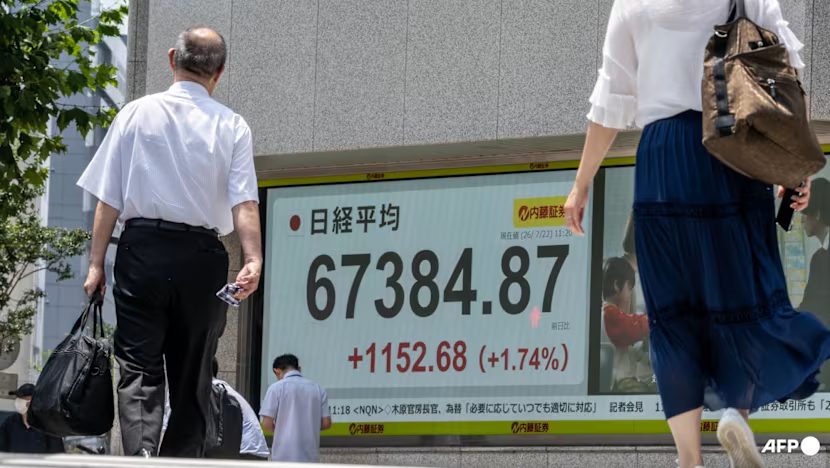
Asian equity markets faced concurrent headwinds this week, with indices sliding as investors absorbed dual shocks: escalating tensions in the Middle East and renewed uncertainty over artificial intelligence-related tariffs.
The sell-off reflects a confluence of factors pressuring investor appetite for risk assets. Geopolitical instability in the Middle East has historically triggered flight-to-safety rotations, with capital moving toward government bonds and defensive sectors. Simultaneously, trade policy signals regarding AI tariffs have unsettled technology stocks, which carry significant weightings across major Asian indices.
The timing compounds the pressure. Markets had been processing divergent monetary policy signals from central banks, with some Asian policymakers maintaining accommodative stances while others signal gradual tightening. This backdrop already elevated volatility, making indices particularly sensitive to external shocks.
Tech-heavy exchanges bore the brunt of the decline. Investors pulled capital from semiconductor and software companies on tariff concerns, given the sector's outsized exposure to cross-border supply chains. This dynamic amplified losses in markets with concentrated technology exposure, particularly in Northeast Asia.
Defensive positioning accelerated during the selloff. Dividend-yielding stocks and utilities attracted incremental demand as investors repositioned portfolios away from growth narratives. Currency markets also reflected risk aversion, with safe-haven flows supporting the Japanese yen and Singapore dollar against regional peers.
Traders cited elevated implied volatility indices as evidence of heightened uncertainty. Options market pricing suggests investors expect sustained choppiness through the near term, with major catalysts—earnings seasons in key markets and policy announcements—still pending.
The broader market structure remains intact. Most Asian exchanges maintain above 200-day moving averages, and credit spreads have not widened materially, suggesting the selloff reflects tactical rebalancing rather than systemic stress. However, retail and institutional investors have reduced positioning in cyclical sectors, indicating cautious sentiment among marginal market participants.
Analysts monitoring capital flows note that foreign investor participation in Asian equity auctions remains subdued, a typical pattern when geopolitical risk premiums spike. Local institutional buyers have selectively deployed capital into specific names, though overall volumes suggest wait-and-see behavior pending resolution of the tariff question.