

Asian Stocks Climb as Iran Truce Calms Oil, China Data Limits the Run
Asian stocks rose after an Iran ceasefire eased oil supply fears, but weak China economic data kept the regional rally in check.

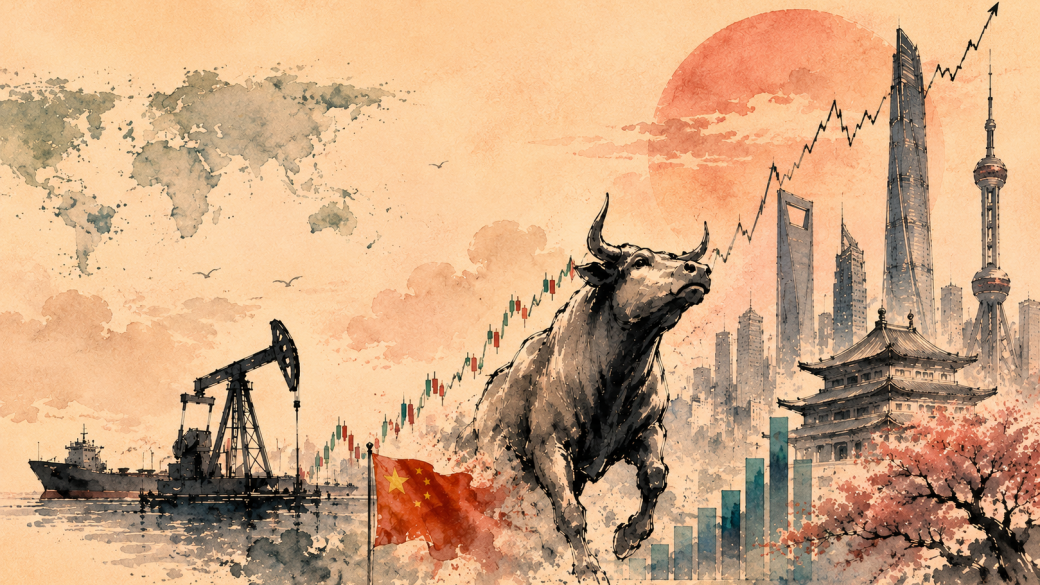
Asian equities traded higher on Tuesday after a ceasefire involving Iran reduced the threat of an oil supply disruption, easing one of the biggest risks hanging over regional markets.
The move calmed traders who had spent recent sessions pricing in the possibility of disrupted shipments through the Strait of Hormuz, a chokepoint that handles a large share of global crude flows. With that tail risk fading, energy-sensitive markets across the region found room to recover.
Gains were broad but uneven. Benchmarks in Japan, South Korea, and parts of Southeast Asia advanced, helped by lower oil prices that improve the outlook for import-dependent economies. Airlines, manufacturers, and consumer-facing companies, all of which carry heavy fuel or input costs, were among the early beneficiaries.
Oil retreats from its risk premium
The rally was rooted in the oil market. Crude prices had climbed sharply during the height of the conflict as investors built in a premium for the chance of supply interruptions. The truce removed much of that premium, sending prices lower and reversing part of the earlier spike.
For Asia, the direction of oil matters more than for most regions. Several of the continent's largest economies import the bulk of their crude, so a sustained price drop tends to ease inflation pressure and support corporate margins. A calmer energy market also reduces the case for central banks to stay defensive on policy.
Still, traders treated the relief as conditional. Ceasefires can hold or break, and the oil market remains sensitive to any sign that tensions could flare again. That kept the buying measured rather than euphoric.
China data caps the upside
The second force shaping the session pulled in the opposite direction. Soft economic readings out of China reminded investors that the region's largest economy is still struggling to find firmer footing.
Weak figures on activity and demand weighed on sentiment toward Chinese-exposed shares and commodity-linked plays. When China slows, the effect ripples outward to suppliers, exporters, and resource producers across the region that depend on Chinese demand.
That tension defined the day. Lower oil offered a reason to buy, while disappointing Chinese data offered a reason to stay cautious. The result was a rally that lacked full conviction, with several indices finishing well below their intraday peaks.
A market caught between two stories
The split leaves Asian markets balancing two narratives at once. One is geopolitical and improving, as the easing of conflict risk lowers the odds of an energy shock. The other is structural and unresolved, centered on whether China can stabilize growth and revive domestic demand.
For now, the geopolitical relief is the more immediate driver. Markets tend to respond quickly to reduced supply risk, and the drop in oil delivered a clear, near-term boost. The China question moves on a slower timeline, shaped by policy decisions and the pace of any recovery.
Currency and bond markets reflected the same crosscurrents. Lower oil tends to support importing nations' currencies and ease pressure on local rates, but soft Chinese data tempered any broad shift toward risk-taking.
What traders are watching next
The durability of the rally depends on two variables. The first is whether the ceasefire holds and keeps the oil risk premium contained. Any renewed flare-up could quickly reverse the move and push crude prices back up.
The second is the trajectory of Chinese policy. Investors will look for signs of additional support measures aimed at lifting demand. Without a clearer recovery signal, gains tied to China-sensitive sectors may struggle to extend.
For regional investors, the session offered a reminder of how external and internal forces now interact. A truce thousands of miles away eased the energy threat, while data from Beijing set the ceiling. Both will continue to shape direction in the sessions ahead, and neither has fully resolved.