

Anonymous tipsters are fueling Singapore’s corruption probes, but incentives remain minimal
Singapore's Corrupt Practices Investigation Bureau depends on anonymous tips to detect misconduct, yet the nation offers no whistleblower reward programs and has limited protection statutes compared to peers.

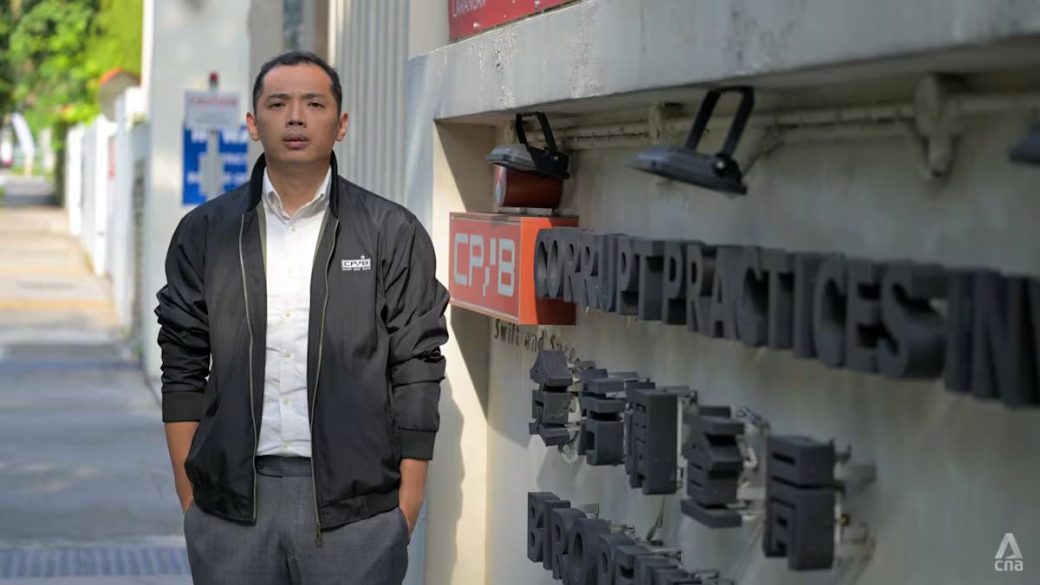
Singapore's anti-corruption agency relies heavily on anonymous complaints to detect bribery and misconduct, according to the Corrupt Practices Investigation Bureau (CPIB). These unsolicited reports often arrive with specific details that investigators cannot easily uncover through routine channels, making them catalysts for formal inquiries.
The CPIB has not disclosed exact numbers of cases initiated via anonymous tips, but officials acknowledge their significance in broadening investigative scope. Anonymous reports allow citizens to flag suspicious conduct without fear of professional or personal retaliation—a critical consideration in a tightly connected business environment.
Yet Singapore's framework for encouraging such disclosures remains constrained. The city-state offers no financial bounty programs comparable to those in the United States, where the SEC and other agencies reward whistleblowers with a percentage of recovered funds. This contrasts with jurisdictions like Australia and the United Kingdom, which have formalized whistleblower reward schemes.
Protection mechanisms exist under Singapore law. The Protected Disclosures Act shields employees who report wrongdoing in good faith to authorized bodies, including the CPIB. However, gaps persist: coverage excludes non-employee sources, and the law does not address civil liability claims that may arise from disclosure.
International observers have noted these limitations. The UNCAC (United Nations Convention Against Corruption) implementation review for Singapore in 2017 recommended strengthening whistleblower protection statutes and considering incentive structures. Singapore has enacted some improvements since, but formal reward systems remain absent from policy.
The calculus for potential tipsters is stark. An anonymous report costs nothing to file but carries psychological risk for those aware of identities or circumstances. Without financial incentive or robust guarantee against backlash, participation depends primarily on civic duty and trust in institutional responsiveness. CPIB's track record of high conviction rates—the agency prosecutes cases with conviction rates exceeding 90 percent—may partially compensate for these gaps by demonstrating that reports translate into enforcement.
For the anti-corruption mission, anonymous tips function as an early warning system. They alert regulators to conduct that might otherwise remain hidden within organizations, particularly in sectors where hierarchical power dynamics suppress internal reporting. The challenge ahead is whether Singapore will adopt additional tools—financial incentives, expanded legal shields, or both—to expand this information flow.