
China opposes new US tariffs, signals readiness for trade escalation
China has formally opposed new US tariffs and warned against escalating trade tensions. The statement signals Beijing's readiness to respond, continuing a cycle of tit-for-tat measures between the world's two largest economies.

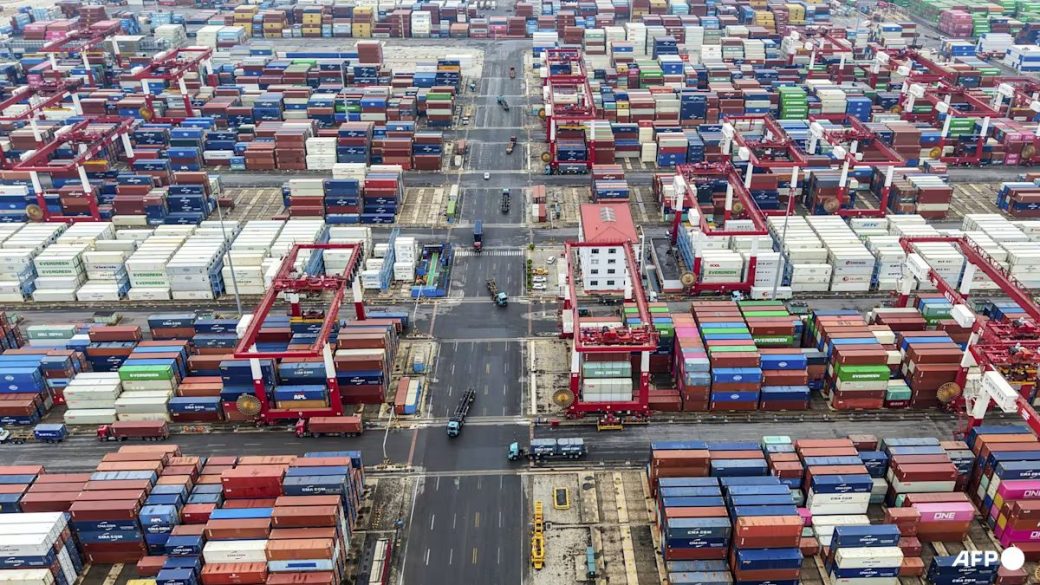
China has formally stated its opposition to new US tariffs, cautioning against a potential escalation into a broader trade war, according to official statements from Beijing.
The declaration reflects growing friction between the world's two largest economies over trade policy. China's position signals it will not acquiesce to unilateral US tariff measures without response, setting the stage for potential retaliatory action.
The timing of China's warning underscores persistent disagreements over market access, intellectual property, and industrial policy that have defined US-China relations over the past several years. Beijing has historically responded to US tariffs with its own duties on American goods, creating cycles of escalating trade tensions.
Official Chinese channels have emphasized the importance of dialogue and negotiation as alternatives to tariff increases. However, the framing of the statement—explicitly opposing the measures rather than seeking compromise—indicates Beijing views the new tariffs as a significant challenge to its economic interests.
For businesses operating across both markets, particularly those in manufacturing, semiconductors, and technology, the escalation carries immediate implications. Supply chains dependent on US-China trade face potential disruption if tariff measures take effect as announced.
Analysts have noted that trade wars impose costs on both sides through higher consumer prices, reduced export competitiveness, and slower economic growth. The frequency and scale of tit-for-tat tariff responses over the past five years have demonstrated this pattern repeatedly.
China's public opposition to the tariffs may also be intended for a domestic audience, signaling to Chinese stakeholders that the government is defending national economic interests. Such posturing is common when trade disputes are high-profile.
The path forward depends on whether either side initiates bilateral negotiations. Previous US-China trade agreements, including Phase One in 2020, have followed periods of heightened rhetoric and threats, though enforcement and compliance have remained contested issues.