

US imposes 12.5% tariffs on Singapore over forced labour import controls
The US has imposed 12.5% tariffs on Singapore over its failure to adequately prevent imports produced with forced labour, escalating pressure on the city-state's trade compliance standards.

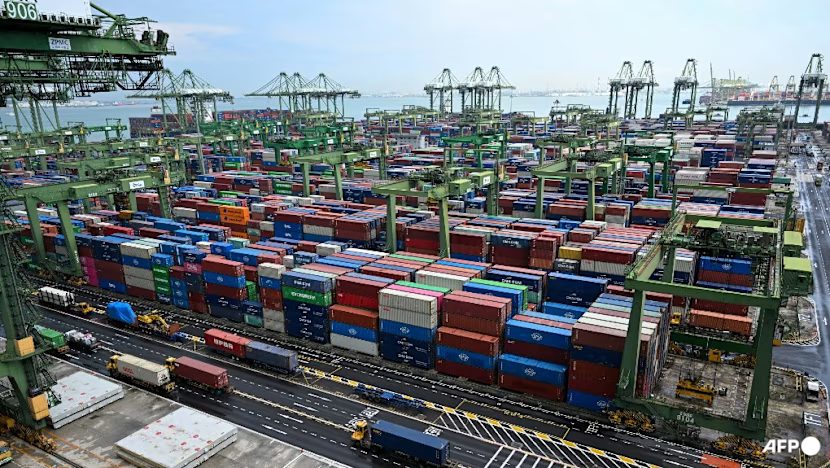
The United States has imposed 12.5% tariffs on Singapore, according to Channel News Asia, citing the country's insufficient measures to block imports produced with forced labour.
The tariff action targets Singapore directly over compliance gaps in labour standards enforcement. The move reflects Washington's increasingly stringent approach to supply chain scrutiny, where trading partners must demonstrate active mechanisms to prevent forced labour goods from entering their markets.
For Singapore, the tariffs create a dual pressure: addressing US trade demands while managing broader regional trade relationships. The city-state, a major entrepôt and financial hub, relies on trade flows and tariff-free access to maintain its competitive positioning in regional commerce.
The forced labour import restriction is not new policy—it reflects US statutory obligations under trade law to exclude goods produced under coercive conditions. However, the tariff application indicates Washington views Singapore's current enforcement posture as inadequate. This suggests either weak implementation of existing bans, insufficient transparency in supply chain auditing, or gaps in Singapore's customs procedures for verifying labour conditions of imports.
Singapore's Ministry of Trade and Industry (MTI) would typically respond by clarifying measures already in place or announcing new compliance frameworks. The tariff level (12.5%) is material but not punitive relative to broader US tariff escalations; it signals pressure rather than all-out trade conflict.
For multinational companies using Singapore as a regional hub or transshipment point, the tariffs increase compliance costs and may prompt re-routing of shipments through alternative ASEAN ports. This affects margins on goods passing through Singapore's port and logistics networks.
The action also reflects the US approach to labour standards as a trade enforcement tool, beyond traditional tariff disputes. For other Asian economies—particularly Vietnam, Cambodia, and Bangladesh, where forced labour concerns are more acute—Singapore's experience signals that Washington will apply tariffs to enforce import restrictions, not merely issue warnings.