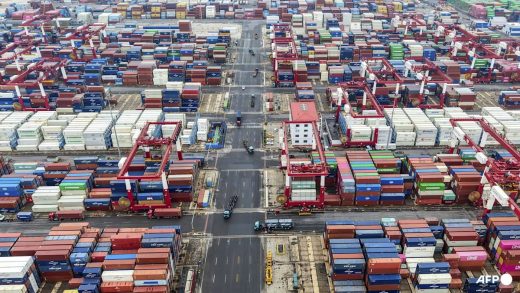

Singapore IPO market stumbles as six listings trade below offer price
Six companies listed on Singapore Exchange this year have traded below their initial offer prices, raising questions about investor demand and pricing discipline in the local market.

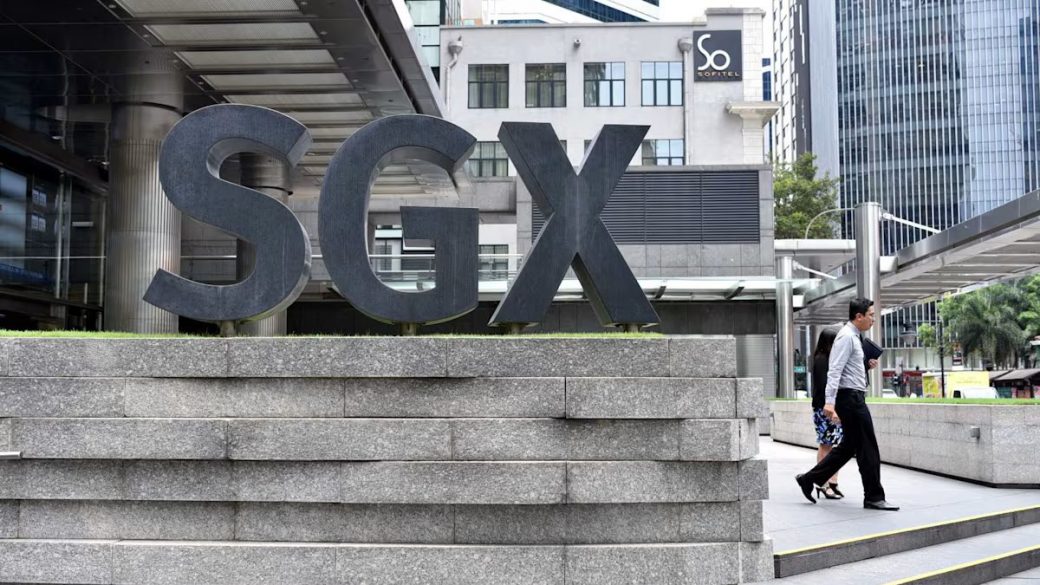
Six companies listed on Singapore Exchange this year have traded below their initial offer prices, a signal of softening demand in the local IPO market and renewed scrutiny over how new offerings are priced.
The underperformance spans across sectors. Companies including JustCo, a flexible workspace operator, and Foundation Healthcare have both fallen short of their issue prices in the secondary market. This pattern—most IPOs trading below where they debuted—typically reflects either overpricing at launch, weak investor appetite, or both.
For Singapore's stock exchange, the trend underscores persistent challenges in attracting quality listings and retaining investor confidence. The city-state has positioned itself as a capital hub for Asia-Pacific companies, but repeated weak IPO performances can erode the appeal of raising capital here.
The issue cuts deeper than individual stock performance. When IPOs consistently trade at a discount to offer price, companies become wary of listing, particularly if they can access capital elsewhere. This risk-off sentiment in Singapore's primary market has implications for exchange competitiveness against rivals like Hong Kong and mainland China bourses, which have attracted a larger share of regional listings in recent years.
Singapore Exchange has initiated market reforms aimed at drawing more listings and improving trading conditions. These initiatives include regulatory updates and incentive structures designed to make listing more attractive. However, fundamental demand dynamics—company supply, investor participation, and macroeconomic conditions—ultimately determine whether such reforms take root.
The weak IPO showing also reflects broader market conditions. Regional growth has slowed, valuations have compressed, and investors have become more selective. Under such headwinds, companies naturally price offerings conservatively, yet even conservative pricing can fail to hold if underlying demand is soft.
Analysts have pointed to the importance of investor roadshows and market timing in IPO success, but these factors alone cannot offset weak structural demand. Singapore's open economy exposes it to global sentiment shifts—a factor that listing reforms cannot easily control.
The six underperforming IPOs this year represent a notable share of Singapore's listing activity, signaling that pricing discipline or investor conviction remains a constraint. Whether the exchange's current reform push will stabilize the market depends partly on whether economic conditions improve and regional capital flows shift back toward Singapore. For now, the pattern suggests caution remains the dominant mood among both issuers and buyers.