

Nikkei drops 2% as investors reassess AI infrastructure spending outlook
Japan's Nikkei 225 fell more than 2% as investors questioned the pace and scale of AI infrastructure spending by technology firms, triggering a broader reassessment of capex expectations across the region.

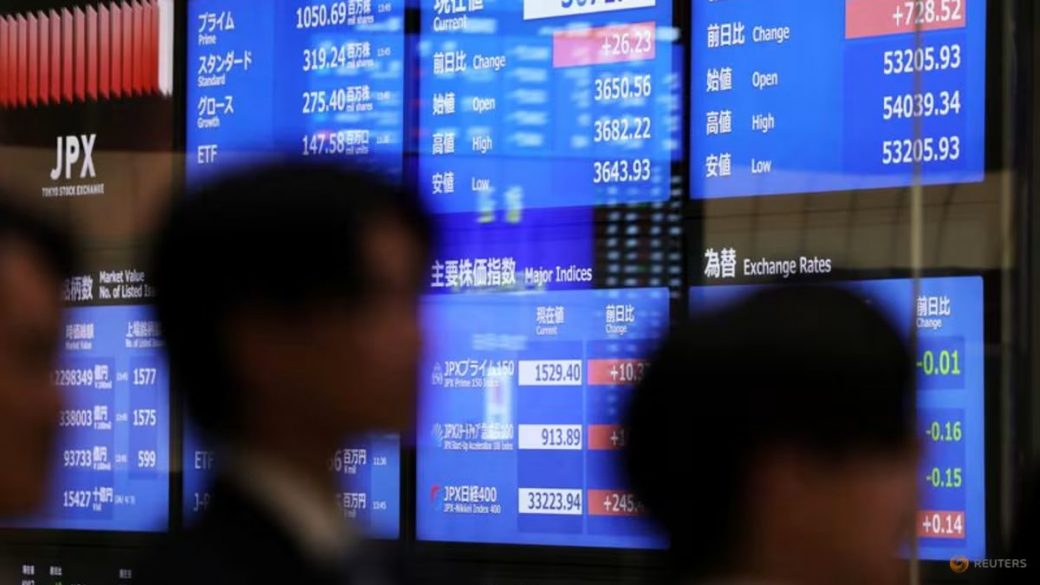
Japan's Nikkei 225 index declined more than 2% as investors recalibrated expectations around AI-driven capital spending by technology and infrastructure companies.
The selloff reflects a broader market reassessment of how quickly and extensively firms will deploy capital for AI infrastructure. Japanese exporters and semiconductor-related equities faced particular pressure, given their exposure to global data center expansion and chip demand cycles.
The decline signals investor caution ahead of earnings guidance updates from major technology firms. Companies have signaled substantial increases in capex for AI-related projects—including data centers, chip fabrication, and networking equipment—but market participants are now questioning whether spending growth will meet prior projections.
This pullback is part of a wider pattern in Asia-Pacific markets, where valuations tied to AI-capex narratives have come under scrutiny. The Nikkei's 2% drop suggests institutional investors are taking profits from AI-exposed names until clarity emerges on actual spending timelines and capital efficiency.
The move also reflects sensitivity to U.S. interest rate expectations. Higher rates increase the cost of financing large infrastructure projects, potentially delaying or scaling back corporate investment plans. Japanese firms with significant overseas capex budgets face currency headwinds as well, since yen weakness reduces the purchasing power of dollar-denominated spending in foreign markets.
Market participants will monitor upcoming earnings calls for guidance on AI capex intensity. If major technology and infrastructure firms maintain or raise capital expenditure targets despite market concerns, the decline may prove temporary. Conversely, if guidance comes in below consensus, the sector could face renewed selling pressure.