

FDA advisers vote to ease peptide compounding restrictions, opening door for U.S. production
FDA advisers voted to ease peptide compounding rules, potentially opening U.S. pharmaceutical production. The move diverges from the agency's own scientists, who cited insufficient safety data.

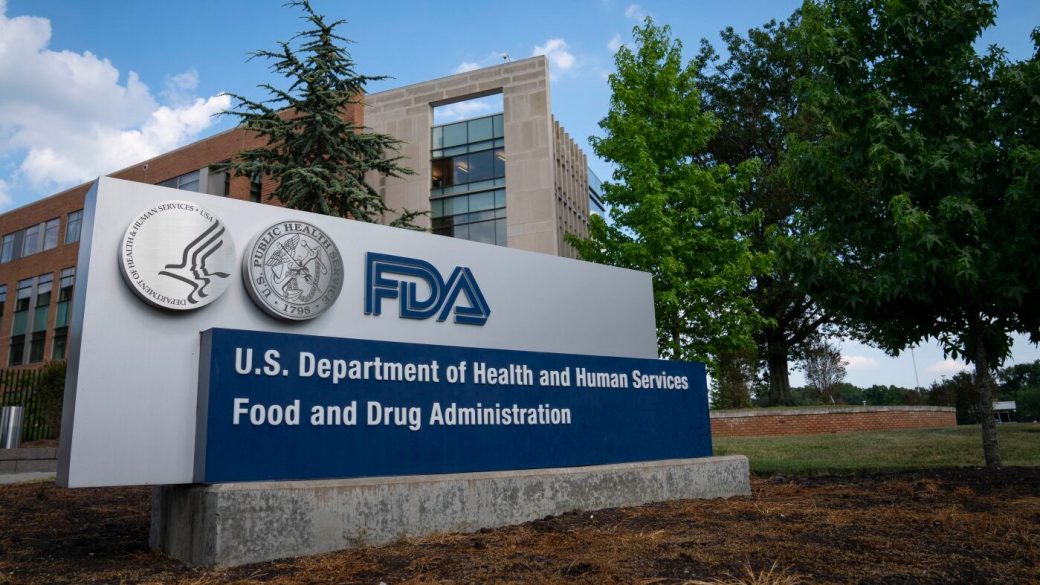
A Food and Drug Administration advisory panel voted in favor of lifting federal restrictions on peptide compounding, potentially allowing specialized U.S. pharmacies to legally manufacture substances currently unavailable through traditional pharmaceutical channels.
The panel reviewed seven peptides over a two-day meeting in late July, voting to recommend deregulation for each compound examined, including BPC-157, a peptide popular in the fitness and longevity markets. The votes diverged sharply from the FDA's own scientific staff recommendation to maintain existing restrictions, citing insufficient data on safety, efficacy, and optimal dosing protocols.
The Gray Market Problem
Advisers heard testimony focused on the regulatory vacuum driving demand toward unvetted suppliers. Dr. Jessica Duncan, a telehealth physician at Ivím Health, described patients arriving with unmarked vials obtained through social media promotions, unable to verify contents or concentrations. This underground market emerged after the FDA restricted compounding pharmacies from manufacturing many peptides several years ago, citing safety concerns.
The peptide industry presented the regulatory gap as a public health issue: patients already consume these substances; easing restrictions would shift supply to vetted domestic sources rather than eliminate demand. Panel members skeptical of the gray-market argument remained in the minority.
Key Tensions
Dr. Brian Lee, a USC professor on the panel, dissented publicly, stating he could not vote affirmatively because easing restrictions risked signaling FDA endorsement of compounds lacking robust human trial data. FDA officials noted they lack standardized frameworks for characterizing peptide substances themselves, complicating safety assessment.
The panel included members with industry ties, though the Trump administration asserted all participants were vetted for conflicts of interest.
What's Next
The recommendations are advisory; final authority rests with the FDA, which typically aligns with committee guidance. Approval would expand legal supply for peptides marketed for injury recovery, muscle growth, fat loss, and athletic performance—a market segment that has grown substantially despite regulatory prohibition. Industry participants stand to capture revenue currently flowing through unregulated channels.