
Cambodia’s economy reels as year-long border closure with Thailand decimates cross-border trade
Cambodia's year-long border closure with Thailand has devastated cross-border trade and left hundreds of thousands of migrant workers without employment. The IMF has downgraded Cambodia's growth forecasts, and the disruption is rippling through regional supply chains.

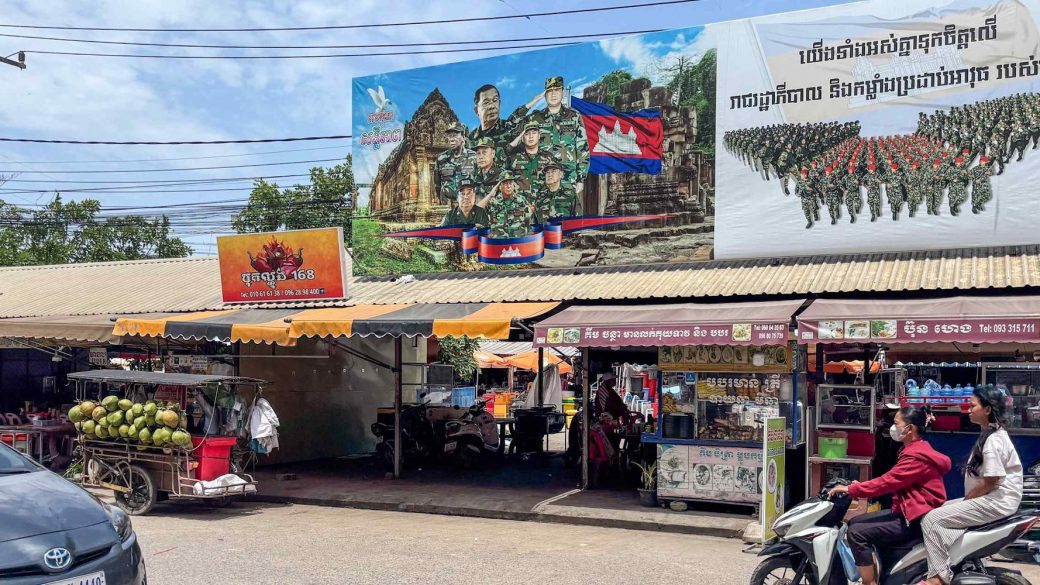
Cambodia's economy is contracting as a year-long border closure with Thailand, triggered by military clashes in June 2025, cuts off critical cross-border commerce and employment. The shutdown has left hundreds of thousands of migrant workers stranded and forced traders, transporters, and service workers to abandon livelihoods built on the flows of goods and people between the two nations.
In Poipet, a Cambodian border city that thrived as a transit hub, the impact is immediate and visible. Nget Nhean, who worked processing short-term permits and passports for workers moving into Thailand, lost his job when political tensions escalated into armed conflict. His situation mirrors that of millions across Cambodia's border regions who depended on unrestricted movement for employment and trade.
The closure has dismantled decades of economic integration. Small traders who moved goods across the border, transporters who ferried cargo, and service workers who processed documents now face weeks of idleness. Without alternative income sources in a region historically dependent on Thai demand and Thai employment, many are unable to meet basic expenses.
The International Monetary Fund has already sharply downgraded Cambodia's economic forecasts in response to the disruption. The downgrade signals IMF confidence that the border closure will not be resolved quickly, and that Cambodia's growth trajectory faces structural damage from prolonged isolation.
Beyond individual livelihoods, the closure threatens supply chains that extend across Southeast Asia and into Japan's automotive sector, which relies on smooth flow of parts and materials through Thailand and Cambodia. Japan's auto industry has already reported fallout from the Thai-Cambodia border dispute, indicating that regional economic interdependence means bilateral friction carries costs beyond the two nations involved.
The conflict has also inflamed deeper territorial grievances. Cambodia has started a UN-backed process to settle a maritime dispute with Thailand, suggesting that the current military tension masks older, unresolved boundary questions. Without political resolution of these underlying issues, prospects for border reopening remain uncertain.
The longer the closure persists, the harder it becomes for workers to return to pre-conflict patterns. Migrant workers have begun seeking employment elsewhere, merchants have diversified supply routes, and the institutional knowledge embedded in border-crossing networks degrades. Economic reopening alone will not restore what the closure has dismantled.