
PM Wong’s Cabinet reshuffles youth into senior ranks, signaling faster political succession
PM Wong's Cabinet reshuffle elevates first-term MPs to ministerial posts, compressing traditional succession timelines and signaling a broader strategy for leadership development.

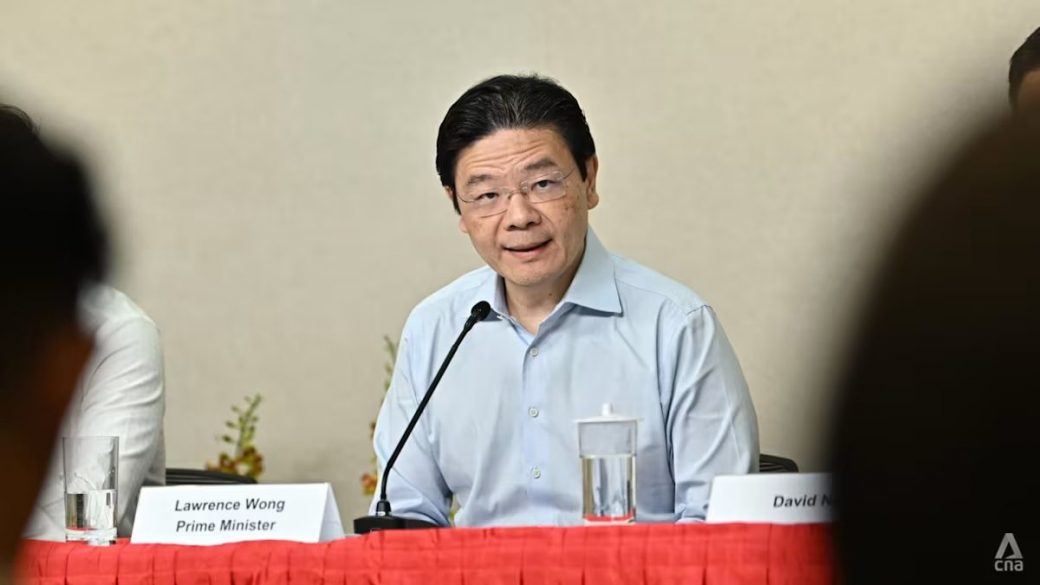
Prime Minister Lawrence Wong's latest Cabinet reshuffle has elevated several first-term MPs into ministerial positions, a move that consolidates his leadership imprint while accelerating the development of the next generation of political talent in Singapore.
The promotions represent a deliberate shift in how the government structures its succession pipeline. By fast-tracking first-term parliamentarians into Cabinet roles, Wong is compressing the traditional timeline for ministerial advancement and creating space for parallel career development across multiple levels of seniority.
This approach differs from previous reshuffles, which typically involved gradual elevation of MPs across multiple election cycles. The current strategy suggests Wong is building a broader base of experienced ministers capable of assuming senior portfolios sooner, reducing bottlenecks in advancement that can arise when leadership talent is concentrated in fewer hands.
The Cabinet line-up now reflects Wong's preferences for operational style and policy priorities. Ministers appointed under his tenure are likely to align with his administration's focus areas, from economic policy to digital governance and regional engagement. The elevation of junior MPs signals confidence in their capability to handle ministerial-level work while still maintaining their parliamentary seats.
For these first-term MPs, the fast-track promotion compresses what would typically be 10-15 years of incremental advancement into a shorter timeframe. The challenge ahead is whether accelerated promotion translates to effective governance or creates gaps in institutional knowledge that typically comes with gradual exposure to policy complexity.
Singapore's political system has historically valued stability through predictable advancement and institutional continuity. The current reshuffle maintains this principle while adjusting the pace. Analysts note that such reshuffles are less about immediate policy shifts and more about signaling organizational restructuring and testing bench strength before major transitions occur.
The timing of the reshuffle also reflects broader political considerations. Wong took office in 2024 following his predecessor's transition, and establishing his Cabinet early signals to voters and regional partners that leadership continuity is assured while allowing space for gradual refreshment of the governing team.
What remains to be tested is whether the expanded ministerial cohort can deliver effectively on policy implementation. Cabinet reshuffles often reveal structural intentions, but execution depends on coordination between ministers and their ability to navigate bureaucratic processes and public expectations.